
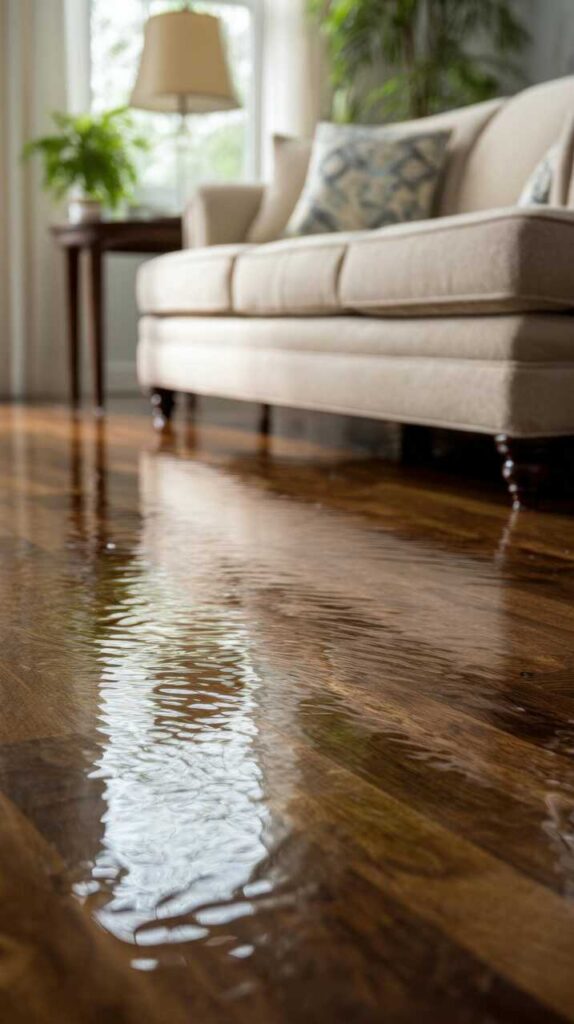
When water damage occurs, every second counts. You need to act quickly to mitigate risks like mold growth and structural deterioration. Knowing how to assess the damage and implement effective emergency dehumidification strategies can save you time and money. From removing standing water to using the right tools, your approach matters. But how do you determine the best course of action in a high-pressure situation? Understanding the key steps can make all the difference.
Key Takeaways
- Quickly remove standing water to prevent further moisture damage and mold growth.
- Enhance airflow by opening windows and using fans to circulate air throughout the area.
- Utilize dehumidifiers suited for the environment to extract moisture from the air effectively.
- Monitor humidity levels with a hygrometer to ensure they return to a safe range.
- Call professionals if mold appears or if humidity levels remain high despite your efforts.
Why Immediate Dehumidification Matters After Water Damage
When water damage occurs, immediate dehumidification is essential, as it can considerably mitigate the long-term effects of moisture on your property.
You’ll quickly notice the dehumidification benefits, which include preventing mold growth and structural damage. By effectively managing moisture control, you protect not just your property but also the health of those living in it.
High humidity levels can lead to various health issues, including respiratory problems, which is why acting fast is vital.
Additionally, dehumidification helps preserve your belongings, ensuring they aren’t irreparably damaged. Investing in prompt dehumidification services can save you time, money, and stress in the long run.
How to Evaluate Water Damage Before Dehumidification
Evaluating water damage before initiating dehumidification is vital for ensuring effective moisture management.
Start with water source identification to determine where the moisture is coming from, whether it’s a leak, flood, or humidity. This helps you understand the extent of the problem.
Next, employ damage assessment techniques such as moisture meters or thermal imaging to gauge affected areas. Inspect walls, floors, and ceilings for signs of saturation and mold growth.
Document your findings to create a clear picture of the damage. This information will guide your dehumidification process and make certain you address all impacted areas efficiently.
Immediate Steps for Effective Dehumidification
To ensure effective dehumidification, start by quickly removing any standing water from the affected area. This is a vital part of your emergency response plan.
Following water extraction, consider these immediate steps to enhance dehumidification:
- Open windows and doors to improve airflow.
- Use fans to circulate air throughout the space.
- Set up dehumidifiers to draw moisture from the air.
- Monitor humidity levels with a hygrometer.
These actions will help create a drier environment, essential for preventing mold growth and further damage.
Essential Tools for Dehumidification in Emergencies
To effectively manage water damage emergencies, you need the right tools at your disposal.
Essential dehumidification equipment, moisture detection tools, and safety gear are vital for a successful response.
Understanding these tools will ensure you can act quickly and efficiently during a crisis.
Essential Dehumidification Equipment
Effective dehumidification equipment is essential for mitigating water damage in emergency situations. Understanding the various dehumidifier types and their functions can make a significant difference in your response efforts.
Here are some key pieces of equipment you should consider:
- Refrigerant Dehumidifiers: Ideal for warmer environments, these units cool air to condense moisture.
- Desiccant Dehumidifiers: Best for colder climates, they absorb moisture without cooling the air.
- Air Movers: These help circulate air, enhancing the dehumidification process.
- Moisture Meters: Essential for evaluating damp areas and ensuring proper equipment maintenance.
Using the right combination of these tools will optimize your dehumidification efforts and effectively reduce water damage.
Moisture Detection Tools
Moisture detection tools are essential for identifying hidden water damage during emergencies. When you’re faced with water damage, using moisture meters and humidity sensors can help you assess the extent of the problem.
Moisture meters provide precise readings of moisture levels in various materials, allowing you to pinpoint areas needing immediate attention. Meanwhile, humidity sensors measure the air’s moisture content, helping you understand the environment’s overall dampness.
Safety Gear Necessities
When tackling water damage, having the right safety gear is just as important as using moisture detection tools.
You’ll want to make sure you’re protected from potential hazards while working in wet environments. Here are essential items to take into account:
- Protective Clothing: Wear waterproof and durable garments to shield yourself from moisture and contaminants.
- Safety Goggles: Protect your eyes from debris and any chemicals that may be present.
- Gloves: Use rubber or latex gloves to prevent skin contact with hazardous materials and bacteria.
- Respirator Mask: Think about a mask to filter out mold spores and other harmful particles.
How to Use Dehumidification Tools Effectively
To use dehumidification tools effectively, you should first assess the extent of the water damage and identify the areas that require the most attention.
Choose the right dehumidifier types based on the size of the space and the severity of moisture. For smaller areas, a portable unit might suffice, while larger spaces may need industrial-grade models.
Position the dehumidifier strategically to maximize airflow, ensuring it’s not obstructed by furniture or walls.
Monitor humidity levels with a hygrometer to track moisture control progress.
Maintain the equipment by regularly emptying the water reservoir or connecting a drain hose.
With these steps, you’ll optimize dehumidification, protecting your home and ensuring a safe, comfortable environment for everyone involved.
When Should You Call in the Pros for Dehumidification?
Successfully managing dehumidification can prevent further damage in many situations, but there are times when the job exceeds DIY capabilities.
Knowing when to call in the professionals is vital for effective remediation.
Consider reaching out to experts if you notice:
- Persistent odors even after drying efforts
- Visible mold growth or water stains
- Signs of damage in structural elements (like walls or ceilings)
- High humidity levels that don’t improve
These signs of damage indicate that the moisture problem is more complex, possibly requiring specialized equipment and expertise.
Don’t hesitate to seek help; addressing water damage quickly can save you time, money, and stress in the long run.
Trusting professionals ensures a thorough, safe, and efficient dehumidification process.
Frequently Asked Questions
Can I Dehumidify My Home Without Professional Help?
Yes, you can dehumidify your home without professional help. Utilize DIY techniques like using fans, opening windows, and employing moisture absorbers to reduce home moisture effectively. Regularly monitor humidity levels to ensure ideal results.
How Long Does Dehumidification Typically Take?
Dehumidification typically takes 24 to 48 hours, depending on humidity levels and airflow. The dehumidification process effectively reduces moisture, considerably impacting drying time. You’ll notice improvements as humidity decreases and surfaces dry out.
Will Dehumidification Eliminate Mold Completely?
Dehumidification can greatly reduce mold growth, but it won’t eliminate it completely. You’ll need additional mold-prevention strategies alongside an effective dehumidifier to ensure a healthy environment and prevent future mold issues.
What Are Signs That Dehumidification Is Needed?
You’ll notice signs like increased humidity levels, musty odors, and water stains on walls or ceilings. If you observe these, it’s essential to act quickly to prevent further damage and potential mold growth.
How Do I Maintain My Dehumidifier After Use?
Think of your dehumidifier as a plant needing care. For proper maintenance, regularly clean the filter, empty the water tank, and check for mold. Establishing these routines ensures your unit thrives and effectively reduces humidity.
Wrap-Up
Acting quickly to dehumidify after water damage is essential to prevent mold growth, which can develop in as little as 24 to 48 hours. By following the steps outlined and utilizing the right tools, you can effectively mitigate damage. Remember, if you encounter persistent issues, don’t hesitate to call professionals. Their expertise can save you time and money in the long run, ensuring your space remains safe and dry.