
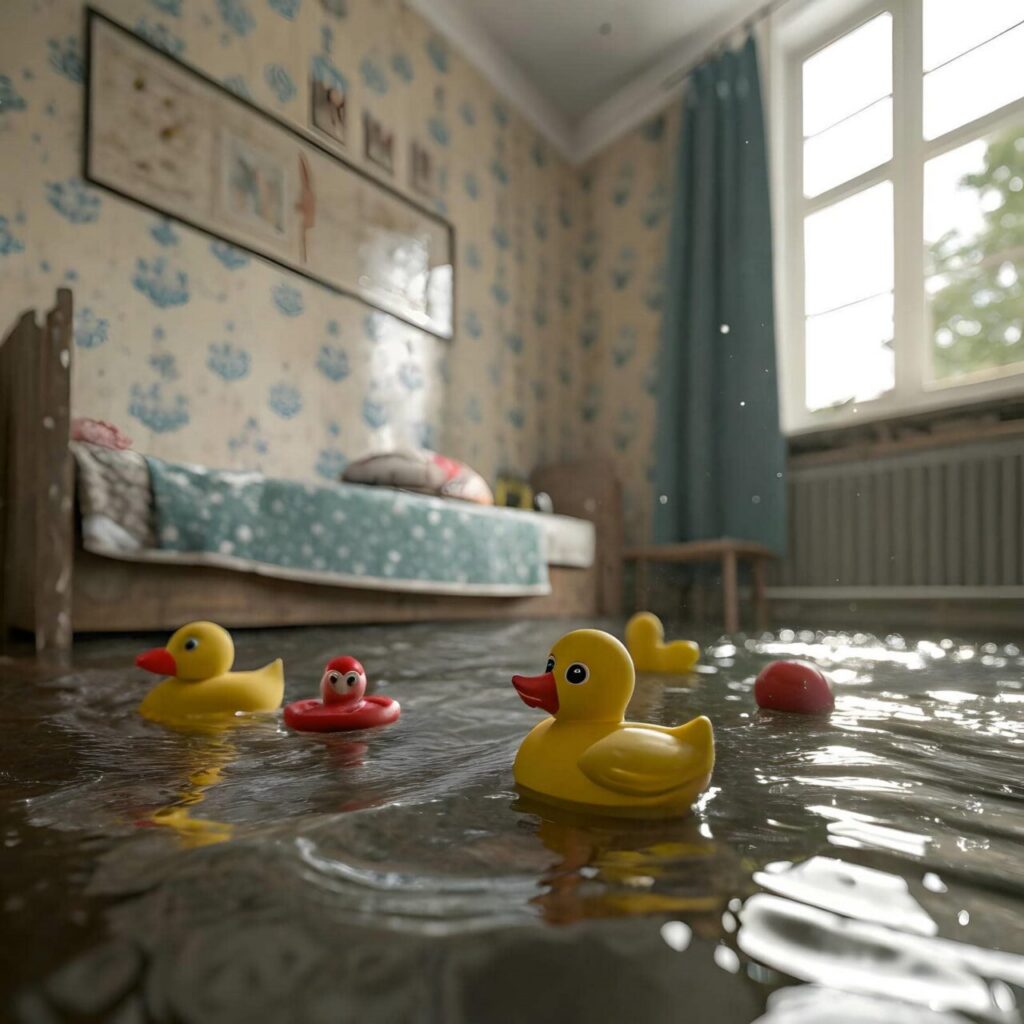
When faced with flood damage, knowing effective DIY restoration techniques can make a significant difference. You’ll need to act fast, as prompt water extraction and thorough cleaning are vital for minimizing long-term effects. From using the right tools to identifying key signs of damage, each step is essential. Understanding these methods not only aids in recovery but also helps prevent future issues. Let’s explore how to tackle flood damage effectively and guarantee your home remains safe.
Key Takeaways
- Begin by assessing the flood damage, documenting affected areas with photos and notes for insurance purposes.
- Use a high-capacity wet/dry vacuum to extract as much water as possible from floors and surfaces.
- Apply disinfectants like bleach solutions on common surfaces to sanitize and eliminate bacteria and mold.
- Employ fans and dehumidifiers to promote thorough drying within 24-48 hours to prevent mold growth.
- Wear protective gear, including gloves and masks, to ensure safety during the restoration process.
Understanding Different Types of Flood Damage Restoration
When you face flood damage, understanding the various types of restoration techniques is essential for effective recovery.
Flood damage types can range from clean water, which is easier to manage, to black water, which poses serious health risks. Each type requires specific restoration methods.
For example, if you encounter clean water damage, thorough drying and dehumidification will work well. However, with gray or black water, you’ll need to prioritize sanitation and potentially hazardous material removal.
Familiarizing yourself with these distinctions helps you choose the right approach, ensuring you tackle the issue efficiently.
Must-Have Tools and Supplies for DIY Flood Restoration
Five essential tools and supplies are important for effective DIY flood restoration.
First, a high-capacity wet/dry vacuum is necessary for extracting water quickly. You’ll also need moisture meters to assess dampness levels in materials.
Next, fans and dehumidifiers will help dry out the affected areas efficiently.
Don’t forget protective gear like gloves and masks, as safety is paramount during restoration.
Finally, stock up on DIY repair supplies like mold-resistant paint, sealants, and drywall, as these will aid in restoring your space.
With the right flood restoration tools and supplies, you’ll be better equipped to tackle the challenges of flood damage and guarantee your home is safe and livable again.
Step-by-Step Guide to Assessing Flood Damage
Start by identifying all affected areas in your home, focusing on floors, walls, and furniture.
Once you’ve pinpointed the damage, document everything thoroughly with photos and notes for insurance purposes.
This systematic approach will help you assess the extent of the damage and plan your restoration effectively.
Identify Affected Areas
Evaluating flood damage is essential for effective restoration and prevention of further issues. Start with a thorough flood assessment of your property.
Walk through each room, noting signs of water intrusion, such as stained walls, warped floors, or damp insulation. Pay close attention to basements and crawl spaces, where water often collects unnoticed.
For effective damage identification, use a flashlight to inspect hidden areas and check for mold growth or structural damage.
Take note of any electrical systems or appliances that may have been compromised. Prioritize affected areas based on severity, and remember to wear protective gear to guarantee your safety.
This careful evaluation lays the groundwork for successful restoration efforts, protecting your home and peace of mind.
Document Damage Thoroughly
As you begin to assess flood damage, documenting each affected area is essential for both insurance claims and restoration efforts.
Start by taking clear photographs of all damaged items, structures, and surfaces, ensuring you capture varying angles. Make notes detailing the extent of the damage, including measurements and specific materials affected. This thorough documentation preserves evidence that can substantiate your claims.
Don’t forget to record any water levels and the time of the flooding, as this context can be vital. Keep all documentation organized, as it will facilitate communication with insurance adjusters and restoration professionals.
Key Signs of Flood Damage to Look For
When evaluating potential flood damage, you’ll want to keep an eye out for several key indicators that can reveal the extent of the issue.
Look for discoloration on walls and ceilings, as this often points to moisture retention. Peeling paint or wallpaper can also signal water intrusion.
Pay attention to warped flooring or sagging ceilings, which indicate structural distress. Additionally, musty odors often accompany mold growth, an essential flood indicator that needs immediate attention.
During your damage assessment, check for rust on metal fixtures or appliances—this can suggest prolonged exposure to water.
Removing Standing Water Safely
Before you start the process of removing standing water, it’s crucial to confirm your safety first. Make sure to wear protective gear like rubber boots and gloves. Turn off the electricity to avoid any shock hazards.
Once you’re safe, you can explore various water extraction methods. A wet/dry vacuum is effective for smaller areas, while a submersible pump works well for larger amounts of water. If you’re dealing with contaminated water, consider using a professional-grade pump and verify proper disposal methods are followed.
Always monitor for structural damage as you work, and never hesitate to call for professional help if needed. Remember, prioritizing safety and using appropriate water extraction methods will lead to a more effective restoration process.
Easy Ways to Dry Out Affected Areas
To effectively dry out affected areas after a flood, you need to act quickly and utilize the right techniques.
Start by implementing air circulation techniques; open windows and use fans to promote airflow throughout the space. This helps evaporate moisture more efficiently.
Next, consider moisture absorption methods like placing dehumidifiers in strategic locations. These devices can considerably reduce humidity levels, aiding in the drying process.
You can also use silica gel packets or baking soda in small containers to absorb excess moisture.
Remember, the goal is to prevent mold growth and further damage, so regularly check the humidity levels.
Cleaning and Sanitizing After Flood Damage
After addressing the moisture in your space, it’s essential to assess water contamination levels to determine the appropriate cleaning approach.
You’ll need specific cleaning supplies and effective sanitization techniques to guarantee your environment is safe.
Let’s explore how to tackle these steps methodically for a thorough restoration.
Assessing Water Contamination Levels
How can you determine the contamination levels in water after a flood? Start by conducting water testing to identify potential contamination sources.
Look for hazardous materials like chemicals, sewage, or agricultural runoff, which can pose serious health risks. Use a reliable water testing kit to analyze samples from various locations in your home.
Pay attention to indicators like bacteria, pH levels, and heavy metals. If you find concerning results, consider getting professional help for more thorough testing.
Essential Cleaning Supplies Needed
While dealing with flood damage, having the right cleaning supplies on hand is crucial for effective restoration and sanitation.
You’ll want to gather the following items to guarantee your space is safe and clean:
Safety Gear: Wear gloves, masks, and rubber boots to protect yourself from contaminants.
Cleaning Solutions: Use a mix of bleach and water or specialized cleaners to eliminate mold and bacteria.
Buckets and Mops: These are essential for removing excess water and scrubbing surfaces.
Dehumidifiers and Fans: They help dry out your space quickly, preventing further damage.
Equipping yourself with these supplies fosters a sense of community and resilience, ensuring you can tackle the aftermath of flooding head-on.
Proper Sanitization Techniques
Gathering the right cleaning supplies sets the stage for effective sanitization after flood damage. Start by using effective disinfectants like bleach solutions or commercial cleaners specifically designed for flood recovery. Make sure you follow the recommended dilution guidelines for maximum effectiveness.
Focus on common surfaces, including floors, walls, and furniture, using proper sanitization methods to eliminate bacteria and mold. Don’t forget to tackle hidden areas, such as behind appliances or under carpets. Use a scrub brush for stubborn stains, and then rinse thoroughly with clean water.
Afterward, let surfaces dry completely to prevent further mold growth. Finally, wear protective gear throughout the process to safeguard your health. This all-encompassing approach will help restore your home’s safety and cleanliness.
Preventing Mold Growth in Flood-Damaged Spaces
After a flood, addressing moisture quickly is crucial to preventing mold growth in affected spaces.
By implementing effective mold prevention techniques and maintaining humidity control, you can protect your home and loved ones.
Here are four steps to follow:
Remove standing water immediately to limit moisture.
Dry out the area within 24-48 hours using fans and dehumidifiers.
Inspect and clean surfaces for mold signs, especially in hidden areas.
Seal and repair any leaks to prevent future water intrusion.
Taking these actions not only helps in mold prevention but also fosters a sense of safety and belonging in your home.
Frequently Asked Questions
How Long Does Flood Restoration Typically Take to Complete?
Flood restoration typically takes one to three weeks, depending on the severity of damage. You’ll need to conduct a thorough damage assessment first, as this will greatly influence your restoration timeline and necessary actions.
Can I File an Insurance Claim for DIY Flood Restoration?
Filing an insurance claim for DIY flood restoration is like maneuvering through a maze; you’ll need to gather documentation, understand your insurance coverage, and follow the claim process carefully to secure reimbursement for your efforts.
What Should I Do if I Find Hazardous Materials After Flooding?
If you find hazardous materials after flooding, wear protective gear and avoid direct contact. Report the materials to local authorities for safe disposal, and follow safety precautions to protect yourself and others during cleanup.
Are There Professional Services I Can Hire for Specific Restoration Tasks?
Yes, you can hire professional services for specific restoration tasks. They offer various service options tailored to your needs, often ensuring quicker recovery at a manageable cost, helping you restore your space effectively and safely.
How Can I Prevent Future Flooding in My Home?
To thwart future flooding, you’ll want to install flood barriers and improve drainage systems. These practical protections will safeguard your home, ensuring a secure space for you and your loved ones amid unpredictable weather.
Recap
In the grand scheme of homeownership, who knew that flood damage restoration could turn into a DIY adventure? With the right tools and techniques, you can tackle the soggy chaos yourself just remember to wear those stylish rubber gloves! By acting quickly and following each step, you’ll not only restore your space but also gain a newfound appreciation for dry floors. So, roll up your sleeves and embrace the irony of turning a flood into a hands-on home improvement project!