
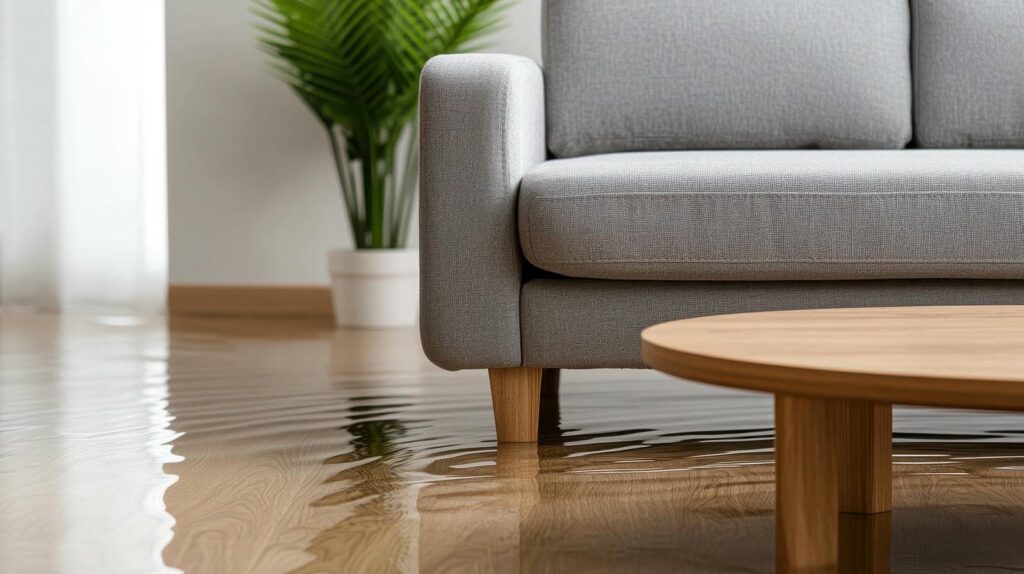
When water damage strikes your home, quick action is vital to mitigate further issues. Understanding the best water extraction methods can greatly influence your cleanup process and prevent costly repairs. Whether you’re dealing with minor leaks or major flooding, knowing which tools to use is essential. In the following sections, you’ll discover three effective methods that can help you tackle any water damage situation efficiently.
Key Takeaways
- Wet vacuums are ideal for quickly removing standing water and residual moisture from carpets and floors.
- Suction pumps are effective for deeper water issues, continuously extracting large volumes of water.
- A combination of wet vacuums and pumps maximizes efficiency for thorough water removal.
- Professional-grade extractors provide superior performance for serious water damage situations.
- Rental units can be a cost-effective option for homeowners facing smaller water extraction jobs.
Why Timely Water Extraction Is Crucial for Homeowners
When a water emergency strikes, timely extraction is vital to prevent extensive damage to your home. Acting quickly minimizes damage and helps prevent mold growth, which can pose health risks and lead to costly repairs.
The longer water sits, the more it seeps into materials like drywall and wood, compromising the structure and inviting mold spores to thrive. By prioritizing swift water removal, you can protect your investment and ensure a safe living environment for you and your family.
Three Proven Water Extraction Methods for Fast Cleanup
To effectively tackle water damage, homeowners can employ several proven extraction methods for quick cleanup.
First, using wet vacuums is an efficient way to remove standing water. These devices are designed to handle large volumes of water, making them ideal for immediate response.
In addition, suction pumps can be employed for deeper water issues, especially in flooded basements. They’re powerful and can work continuously, ensuring thorough extraction.
Finally, a combination of both tools may provide the best results, as wet vacuums can handle residual moisture after the pumps have done their work.
Choosing the Best Water Extraction Method for Your Home
How do you determine the best water extraction method for your home? Start by evaluating your residential considerations, such as the source of water damage and the affected areas.
Different situations require specific approaches. For instance, if you’re dealing with standing water, high-powered pumps may be necessary.
Evaluate your equipment options, too. Professional-grade extractors offer superior efficiency, but rental units can be effective for smaller jobs.
Consider the materials in your home—carpets, drywall, and insulation may require distinct treatments.
Finally, think about how quickly you need to act. Prompt extraction is essential to prevent mold growth.
Frequently Asked Questions
How Can I Prevent Water Damage in My Home?
To prevent water damage in your home, implement waterproofing techniques and install moisture barriers. Regularly inspect plumbing, maintain gutters, and use dehumidifiers to keep your living space dry and protected from potential damage.
What Insurance Covers Water Extraction Costs?
“An ounce of prevention’s worth a pound of cure.” Your homeowner’s insurance policy often covers water damage, but check your specific terms. Flood policies might exclude certain extraction costs, so understanding your coverage is essential.
How Long Does Water Extraction Take?
Water extraction duration typically ranges from a few hours to several days. Factors affecting extraction include the water source, the extent of damage, and the equipment used. Efficient methods can considerably reduce downtime and restore your space faster.
Can I Perform Water Extraction Myself?
Yes, you can perform water extraction yourself. Think of it like mopping up a spill; using DIY methods can be effective, but make certain you have the right tools and knowledge to avoid further damage.
What Are the Signs of Hidden Water Damage?
You’ll notice signs like musty odors, water stains on walls, and peeling paint. If mold growth appears or you suspect compromised structural integrity, it’s essential to address these issues promptly to prevent further damage.
Recap
Timely water extraction is essential to protect your home from damage and mold growth. While you might worry about the cost of equipment, investing in a wet vacuum or suction pump can save you from more expensive repairs down the line. By choosing the right method—whether it’s a wet vacuum for minor issues or a suction pump for more severe cases—you can ensure your home stays safe and dry. Don’t wait; act fast to safeguard your space.