When dealing with flooding, understanding structural drying is key to recovery. You need to employ effective techniques to minimize damage and prevent mold growth. High-velocity air movers, dehumidifiers, and infrared heaters are essential tools in this process. Each serves a specific purpose that plays a significant role in moisture removal and restoring integrity. Let’s explore how these methods work and why they are important for effective post-flood restoration.
Key Takeaways
- Utilize high-velocity air movers to enhance air circulation and expedite evaporation across affected areas.
- Deploy dehumidifiers to effectively extract moisture from the air and reduce humidity levels.
- Implement infrared heaters to increase temperatures, promoting faster drying of surfaces and materials.
- Strategically position fans to ensure even air distribution and prevent stagnant moisture pockets.
- Prioritize timely action to minimize structural damage, mold growth, and facilitate quicker recovery efforts.
Why Structural Drying Matters After Flooding
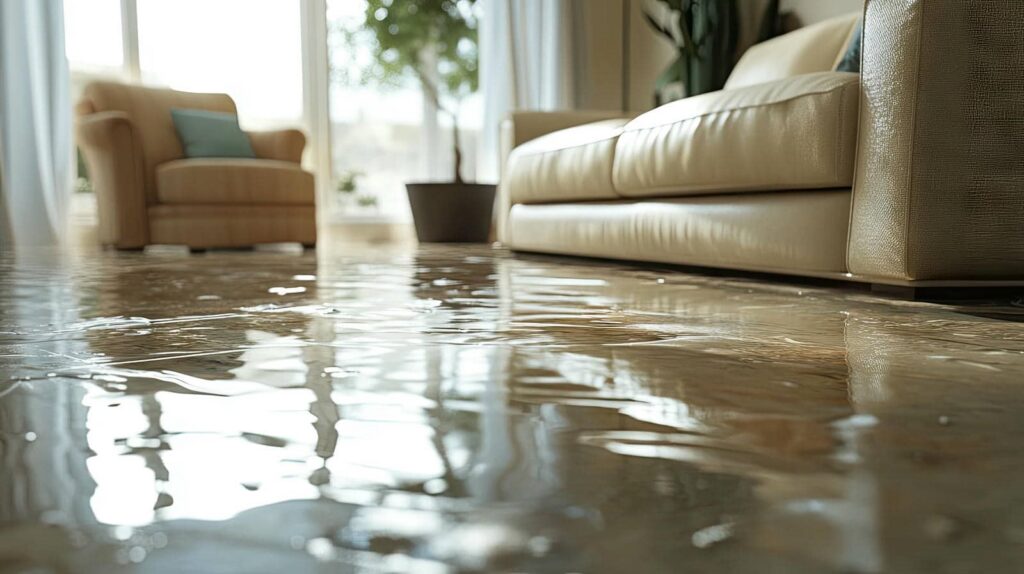
When flooding occurs, it’s essential to understand why structural drying matters. Effective moisture control is vital in minimizing flood damage to your property.
When water infiltrates your structure, it creates an environment ripe for mold growth, which can lead to health risks and further damage. By prioritizing structural drying, you reduce the moisture levels in walls, floors, and other materials, preventing long-term issues.
This process helps preserve the integrity of your building and protects your investment. Additionally, timely drying can expedite the recovery process, allowing you to return to your space sooner.
Choosing the Right Structural Drying Equipment
After understanding the importance of structural drying, selecting the right equipment becomes a pivotal step in the recovery process.
You need to evaluate various equipment types to effectively address the moisture levels in your space. High-velocity air movers, dehumidifiers, and infrared heaters are essential tools in modern drying technology.
Each plays a distinct role; air movers circulate air to speed up evaporation, while dehumidifiers extract moisture from the air.
When choosing, consider the size of the affected area and the severity of the water damage. By utilizing the appropriate equipment, you enhance your drying efforts and prevent further complications, ensuring a thorough recovery for your environment.
Collaborating with professionals can also help you make the best choices tailored to your situation.
Proven Methods for Efficient Structural Drying
Three proven methods for efficient structural drying can greatly expedite the recovery process and minimize damage.
First, focus on moisture removal using dehumidifiers, which extract excess water from the air and materials. This step is essential in preventing mold growth and structural deterioration.
Next, enhance air circulation by strategically placing fans throughout the affected area. This will promote evaporation and ensure that moisture is evenly distributed for faster drying.
Finally, consider using heat to accelerate the drying process. By raising the temperature, you can increase the moisture-holding capacity of the air, further aiding in moisture removal.
Implementing these techniques will create a thorough strategy that fosters a sense of community and support during challenging recovery times.
Frequently Asked Questions
How Long Does Structural Drying Typically Take After a Flood?
Structural drying typically takes 3 to 7 days, depending on various factors. During flood recovery, you’ll notice drying duration varies based on moisture levels, materials, and environmental conditions, so patience and monitoring are essential.
What Are the Signs of Incomplete Structural Drying?
If you notice musty odors, peeling paint, or visible mold, it’s clear you’re dealing with incomplete structural drying. Use moisture detection tools and drying equipment to ensure that every corner’s moisture is effectively addressed.
Can I Do Structural Drying Myself?
Yes, you can tackle structural drying yourself using DIY techniques. Renting equipment like dehumidifiers and fans will enhance your efforts. Just make certain you monitor moisture levels to prevent long-term damage and promote effective drying.
What Are the Health Risks of Wet Structures?
Wet structures invite mold growth like an open door to unwelcome guests. Breathing in spores can lead to respiratory issues, affecting your health. It’s essential to address moisture promptly to protect your living environment and well-being.
How Does Humidity Affect the Drying Process?
Humidity levels substantially impact your drying efficiency. High humidity slows evaporation, while low humidity accelerates it. To optimize the drying process, monitor and control humidity levels, ensuring structures dry effectively and preventing further damage.
Conclusion
Utilizing high-velocity air movers, dehumidifiers, and infrared heaters is essential for effective structural drying after flooding. Think of it as a well-orchestrated symphony; each technique plays a significant role in restoring harmony to your space. By implementing these methods, you safeguard your property against mold and damage and also ensure a timely recovery. Investing in proper drying techniques today means securing a healthier, more resilient environment for tomorrow.