
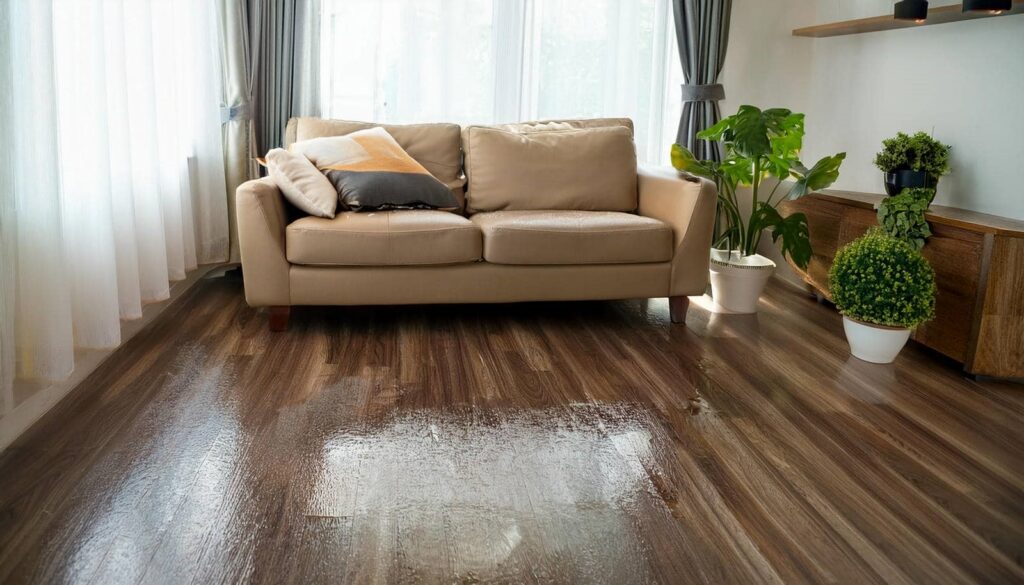
After a flood, professional Structural Drying is essential when you’re facing inches of standing water in your living room and need to restore your home properly. To effectively recover your property, you need a structured approach to drying materials and preventing mold growth. Using moisture meters, air movers, and dehumidifiers is vital, but understanding how to implement these tools efficiently can make all the difference in your recovery efforts. Let’s explore the essential techniques that will help you tackle this challenge effectively.
Key Takeaways
- Remove standing water promptly using submersible pumps and wet/dry vacuums to minimize damage.
- Enhance air circulation with air movers to promote faster evaporation of moisture.
- Employ dehumidifiers to maintain humidity levels below 60% and prevent mold growth.
- Use moisture meters and hygrometers to monitor moisture content and humidity accurately.
- Create cross-ventilation by opening windows and doors, and strategically position fans for optimal airflow.
Why You Need to Dry Your Home After a Flood
After a flood, drying your home is essential to prevent further damage and health risks. In the flood aftermath, moisture control becomes your primary concern.
Standing water can seep into structures, leading to wood rot, mold growth, and compromised integrity. Start by removing any visible water using pumps and wet vacuums.
Next, open windows and doors to enhance airflow. Utilize dehumidifiers and fans to expedite the drying process, aiming for a humidity level below 60%.
Inspect walls, floors, and insulation for moisture saturation; replace any damaged materials promptly.
Immediate Steps to Take After Water Damage
After experiencing water damage, your first priority should be safety; turn off the electricity and avoid standing water.
Next, document the damage thoroughly with photos and notes to support any insurance claims.
These initial steps are essential for efficient recovery and future reference.
Safety First Precautions
Although water damage can be overwhelming, taking immediate safety precautions is essential to protect yourself and others.
First, assess the situation for hazards like live electrical wires or unstable structures. Before entering the affected area, equip yourself with appropriate safety equipment, including rubber gloves, waterproof boots, and a mask to filter out contaminants.
Always verify that the power is turned off to prevent electrical shock. If the water is deep, use a personal protective flotation device when maneuvering.
Avoid direct contact with floodwater, as it may harbor harmful bacteria. Keep a first aid kit handy and inform others of any dangers.
Document Damage Thoroughly
As you begin recovery efforts, documenting damage thoroughly is crucial for insurance claims and restoration processes. Start by following proper documenting procedures: take clear, detailed photographs of affected areas and items. Capture images from multiple angles to provide extensive photo evidence. Ascertain that your photos include timestamps and descriptions for clarity.
Next, create a written inventory of damaged items, noting their condition and approximate value. This written record will support your insurance claim and guide restoration professionals. If possible, include receipts or warranties to substantiate your claims.
Finally, maintain a folder with all documentation—photos, inventories, and correspondence with your insurance company. This organized approach strengthens your claim and fosters a sense of control during an overwhelming situation.
Essential Tools for Effective Structural Drying
Effective structural drying requires the right tools to ensure moisture is removed efficiently and thoroughly.
First, a moisture meter is essential for accurately measuring the moisture content in various materials. This tool helps you identify areas that need immediate attention, making sure no hidden moisture lingers.
Next, air movers are vital for enhancing air circulation, promoting evaporation, and speeding up the drying process. Position these strategically around the affected area to maximize their effectiveness.
Additionally, consider using dehumidifiers to manage humidity levels, preventing mold growth.
Combining these tools creates an efficient drying environment and ensures you address all moisture sources. By utilizing these essential tools, you’ll foster a safer, more welcoming space for everyone involved.
Assessing Water Damage: Key Indicators to Look For
When evaluating water damage, start by checking for visible water accumulation in affected areas.
Look for signs of mold growth, which can appear as discoloration or a musty odor.
Identifying these indicators early helps you take appropriate action to mitigate further damage.
Visible Water Accumulation
Visible water accumulation serves as a primary indicator of water damage in flooded areas, and identifying it quickly can greatly impact the recovery process.
You should perform water detection and moisture assessment to locate visible signs of water. Pay attention to:
- Puddles are collecting in low-lying areas
- Watermarks on walls or ceilings
- Damp carpets and upholstery
- Swollen or warped wooden surfaces
- Condensation forming on windows
Each of these indicators can reveal the extent of the damage and guide your next steps.
By addressing visible water accumulation promptly, you can prevent further deterioration and facilitate a more effective drying process.
Mold Growth Signs
After addressing visible water accumulation, it’s important to monitor for signs of mold growth, which can develop quickly in damp environments.
Begin by using mold identification techniques, such as checking for discoloration on walls or ceilings. Look for musty odors, which often indicate hidden mold colonies. Inspect areas with high humidity, like bathrooms and basements, as these are prime locations for mold growth.
Implement mold prevention strategies, including maintaining proper ventilation and using dehumidifiers to keep moisture levels low.
If you spot any signs of mold, act immediately to mitigate the issue, as untreated mold can pose health risks and lead to further structural damage. Your proactive approach will help maintain a safe and healthy environment.
Standing Water Removal Techniques
Removing standing water promptly is essential to minimizing damage and preventing mold growth.
To effectively implement water extraction methods, follow these flood cleanup strategies:
- Use a submersible pump to remove large volumes quickly.
- Employ a wet/dry vacuum for residual water in carpets and hard-to-reach areas.
- Utilize absorbent materials, like towels, to soak up small puddles.
- Inspect and clear drainage systems to ensure proper water flow away from the property.
- Consider using specialized water extraction equipment for commercial spaces.
How Dehumidifiers Aid Structural Drying
When addressing structural drying after flooding, understanding the types of dehumidifiers available is essential for effective moisture control.
You’ll need to monitor ideal humidity levels to ensure materials dry properly and prevent further damage.
Additionally, consider energy efficiency to minimize operational costs while maintaining a dry environment.
Types Of Dehumidifiers
While moisture control is essential in structural drying, understanding the types of dehumidifiers available can greatly enhance your restoration efforts.
Two primary types to evaluate are refrigerant dehumidifiers and desiccant dehumidifiers. Each type serves distinct purposes, depending on your drying needs.
- Refrigerant dehumidifiers: Ideal for warm, humid conditions, extracting moisture via cooling coils.
- Desiccant dehumidifiers: Utilize hygroscopic materials for efficient moisture absorption, especially in cooler environments.
- Portable options: Easy to move, allowing for targeted drying in specific areas.
- Whole-house systems: Designed for larger spaces, offering thorough moisture extraction.
- Industrial units: Built for heavy-duty applications, providing rapid drying for extensive water damage.
Choosing the right dehumidifier can greatly influence your restoration timeline and effectiveness.
Optimal Humidity Levels
Achieving ideal humidity levels is essential for effective structural drying, as excessive moisture can lead to mold growth and structural damage.
To maintain favorable conditions, you’ll need to employ dehumidifiers strategically. Start by selecting the right type for your space, ensuring it’s capable of achieving desired humidity control.
Monitor humidity levels using a hygrometer, aiming for 30-60% relative humidity. Adjust your dehumidifier settings accordingly to tackle moisture management effectively.
Remember to empty the collection tank or set up a drainage system to prevent overflow. Regularly check for wet spots and use fans to enhance air circulation.
Energy Efficiency Considerations
Maintaining ideal humidity levels protects your structure and contributes to energy efficiency during the drying process.
Using energy-efficient equipment, such as high-capacity dehumidifiers, can greatly reduce energy consumption. By opting for sustainable drying methods, you can create a more environmentally friendly approach to restoring your space.
- Rapid moisture removal reduces energy usage
- Enhanced air circulation limits energy waste
- Lower humidity levels prevent mold growth, saving future costs
- Improved thermal comfort lowers heating and cooling expenses
- Efficient operation extends the lifespan of your equipment
Boosting Airflow: Effective Ventilation Strategies
To effectively boost airflow during structural drying after flooding, it’s crucial to implement targeted ventilation strategies that facilitate moisture removal.
Start by evaluating your space to identify areas with poor airflow. Position ventilation equipment, such as fans and dehumidifiers, strategically to enhance airflow management. Ascertain that fans are directed toward wet surfaces to maximize evaporation.
Open windows and doors to create cross-ventilation, allowing fresh air to circulate. Use portable air movers to target high-humidity zones, and consider using air scrubbers to filter out contaminants.
Regularly monitor humidity levels and adjust your equipment accordingly to maintain ideal conditions. By fostering efficient ventilation, you’ll greatly accelerate the drying process, helping your environment return to normal more quickly.
Speeding up Drying With Heat Techniques
While you’re working to dry out a flooded area, utilizing heat techniques can considerably accelerate the process.
Heat application shortens the drying duration and enhances evaporation rates. Here are some effective methods to evaluate:
- Use electric heaters to warm up the space.
- Implement infrared heaters for targeted heat on wet materials.
- Position drying mats to distribute warmth evenly.
- Employ a combination of heat and airflow for maximized efficiency.
- Monitor surface temperatures to optimize heat exposure.
How to Monitor Moisture Levels During Drying
As you monitor moisture levels during the drying process, using specialized tools is essential for achieving accurate readings.
Start by deploying moisture sensors in various locations, particularly in areas prone to dampness. These devices provide real-time feedback on moisture content, helping you identify problem spots.
Next, utilize drying monitors to track the overall progress of the drying operation. Set these monitors to alert you when moisture levels exceed acceptable thresholds, ensuring you take timely action.
Regularly check and calibrate your tools to maintain accuracy. By maintaining a consistent schedule for monitoring, you can make informed decisions, optimize drying efforts, and ultimately protect your space from future water damage.
Best Practices for Preventing Future Water Damage
Implementing best practices for preventing future water damage is essential, especially after experiencing flooding.
By adopting effective waterproofing methods and drainage solutions, you can greatly reduce the risk of future incidents.
Consider these important steps:
- Install a sump pump to remove excess water quickly.
- Apply sealants to basement walls and foundations for improved waterproofing.
- Create proper grading around your property to direct water away from the foundation.
- Maintain gutters and downspouts, ensuring they’re clear and functional.
- Use permeable paving to facilitate better water absorption in outdoor areas.
Taking these measures protects your property and fosters a sense of security and belonging within your community.
Stay proactive to safeguard against water damage in the future.
Frequently Asked Questions
How Long Does Structural Drying Typically Take After a Flood?
Structural drying typically takes 3 to 7 days, depending on moisture levels and the materials involved. You’ll need to monitor progress closely, adjusting equipment to ensure efficient drying time and ideal results for your space.
Can I Dry My Home Without Professional Help?
Yes, you can dry your home without professional help. Start DIY drying by removing soaked materials, using fans and dehumidifiers to reduce home moisture, and ensuring proper airflow throughout the space for effective results.
What Are the Health Risks Associated With Wet Materials?
Imagine a hidden garden, where wet materials breed mold growth. If you don’t act, that garden transforms into a respiratory nightmare, inviting serious health risks. Don’t let moisture turn your haven into a hazardous domain.
Will My Insurance Cover Structural Drying Costs?
Your insurance coverage often includes structural drying costs, but it varies by policy. Review your documentation carefully and contact your insurer to clarify what’s included in the drying process for your specific situation.
How Can I Tell if My Home Is Completely Dry?
You can tell if your home’s completely dry by using moisture detection tools and monitoring drying equipment. Check for consistent moisture readings in walls and floors, ensuring they align with normal levels to confirm thorough drying.
Summary
In the aftermath of flooding, swift and precise action is your best ally in safeguarding your home. By harnessing essential techniques such as moisture assessment, effective airflow, and targeted heat application, you can transform your waterlogged space into a dry sanctuary. Remember, the battle against mold and structural damage hinges on your vigilance and the right tools. Stay proactive, monitor moisture levels, and fortify your home against future floods, ensuring it stands resilient against nature’s tempests.