
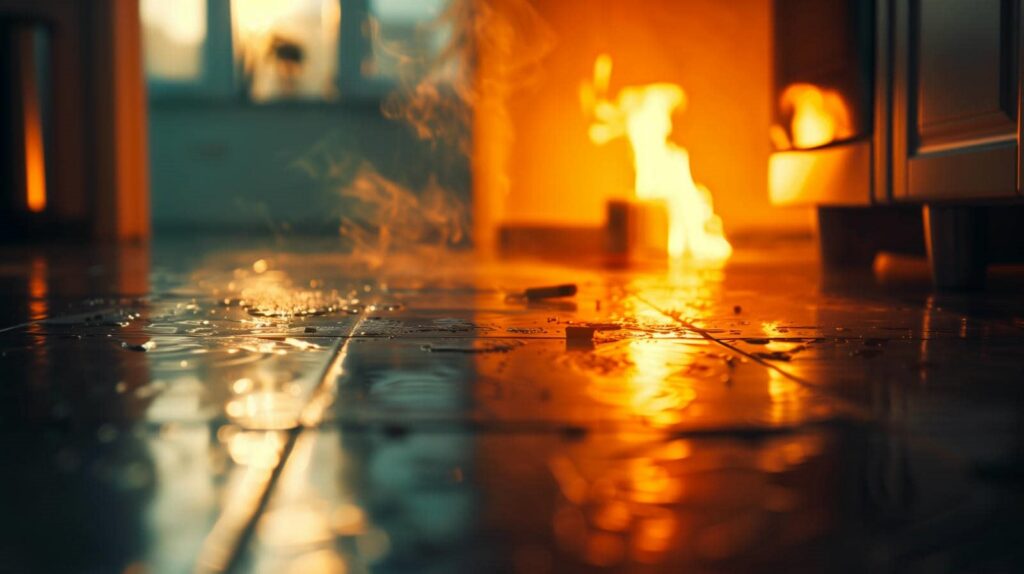
When smoke damage strikes, it can feel overwhelming. You need to tackle the situation with care and precision. Start by evaluating the extent of the damage and prioritizing safety in your approach. It’s vital to understand how to effectively clean and restore your space while preventing future incidents. As you navigate this process, you’ll discover essential techniques and tools that make a significant difference. What steps will you take first?
Key Takeaways
- Conduct a thorough smoke assessment to identify damage on surfaces and document findings for insurance purposes.
- Prioritize safety by wearing protective gear and ventilating the area to minimize exposure to contaminants.
- Utilize effective cleaning techniques, such as using a HEPA vacuum and vinegar solution for various surfaces.
- Employ specialized tools like ozone generators and high-quality vacuums to tackle soot and odors effectively.
- Implement preventive measures, including regular fire alarm checks and safe storage of flammable materials, to avoid future incidents.
How to Identify and Evaluate Smoke Damage?
When you’re faced with smoke damage, it’s essential to assess the situation thoroughly to determine the extent of the harm.
Start with a smoke assessment, examining walls, ceilings, and furniture for discoloration or soot buildup—these are key damage indicators.
Pay attention to the smell; a lingering odor often signals deeper issues.
Check for any signs of structural damage, like warping or bubbling paint, which could indicate that the smoke has permeated materials.
Document everything you find; this record will be invaluable for insurance claims and restoration efforts.
Why Safety Comes First When Dealing With Smoke Damage
After evaluating the extent of smoke damage, prioritizing safety is essential. Smoke particles can linger in the air, posing serious health risks.
Before you begin any restoration work, take necessary health precautions. This includes wearing protective gear like masks, gloves, and goggles to shield yourself from harmful toxins. Make sure to ventilate the area, as fresh air can help reduce airborne contaminants.
It’s vital to assess structural safety, too; if you’re unsure, consult a professional. Remember, your well-being matters just as much as restoring your space.
Master Effective Cleaning Techniques
Although smoke damage can feel overwhelming, mastering effective cleaning techniques is essential for restoring your space and reclaiming a sense of normalcy.
Start with cleaning methods that suit various surfaces—use a vacuum with a HEPA filter for carpets and soft furnishings, while hard surfaces benefit from a mixture of vinegar and water.
For walls and ceilings, a gentle scrubbing with soap can help lift stubborn stains.
Once you’ve cleaned, focus on deodorization techniques to eliminate lingering odors. Baking soda sprinkled on carpets can absorb smells, and activated charcoal works wonders in closed spaces.
Airing out the area and using fans can also help.
Essential Tools and Equipment for Smoke Damage Restoration
Restoring a space after smoke damage requires not just effective cleaning techniques but also the right tools and equipment to tackle various challenges.
You’ll need specialized restoration chemicals to break down soot and residues, ensuring a thorough clean. Invest in high-quality vacuum cleaners equipped with HEPA filters, as they capture fine particles that regular vacuums miss.
Additionally, deodorizing equipment, like ozone generators or air scrubbers, can help eliminate lingering odors that cling to surfaces.
Don’t forget protective gear, such as gloves and masks, to keep yourself safe while working.
How to Prevent Future Smoke Damage in Your Home
To guarantee your home stays safe from future smoke damage, it’s essential to adopt proactive measures that minimize fire risks.
Start by ensuring your fire alarms are functional and tested regularly; they’re your first line of defense.
Next, check your ventilation systems to guarantee they’re clean and working properly, as good airflow can help prevent smoke buildup.
Avoid leaving cooking unattended, and always use a stovetop timer as a reminder.
Store flammable materials safely, and consider using flame-retardant materials for your home’s interior.
Finally, develop an emergency plan with your family, so everyone knows what to do in case of a fire.
Frequently Asked Questions
How Long Does Smoke Damage Restoration Typically Take?
Smoke damage restoration typically takes a few days to several weeks. Your restoration timeline depends on factors affecting the extent of damage, the size of the area, and the resources available for the process.
Will Homeowners’ Insurance Cover Smoke Damage Restoration Costs?
Like a safety net, homeowners’ insurance often covers smoke damage restoration costs, but it depends on your specific policy and coverage limits. Review your policy carefully to understand what’s included and what you might need.
Can I Attempt Smoke Damage Restoration Myself?
You can attempt DIY restoration, but it’s often challenging. Smoke damage can linger, and you might miss hidden problems. Seeking professional assistance guarantees thorough cleanup and safety, helping you feel secure in your home again.
What Are the Health Risks Associated With Smoke Damage?
Smoke exposure can lead to numerous health effects, like respiratory issues and irritation. You might experience headaches, fatigue, or even long-term complications. Prioritizing your well-being is essential in maneuvering these challenges thoughtfully and carefully.
How Can I Find a Reputable Smoke Damage Restoration Service?
To find a reputable smoke damage restoration service, check online reviews and verify service certifications. Talking to friends for recommendations can help, too. You deserve a trustworthy team to restore your space and peace of mind.
Recap
Restoring your home after smoke damage can feel like charting a stormy sea, but with the right practices, you can steer towards calm waters. By prioritizing safety, employing effective cleaning techniques, and investing in the right tools, you’ll reclaim your space from the shadows of smoke. Remember, prevention is your lighthouse; keep your fire safety measures bright and vigilant, ensuring your home remains a sanctuary. Embrace the journey to recovery, and let your home shine again.