
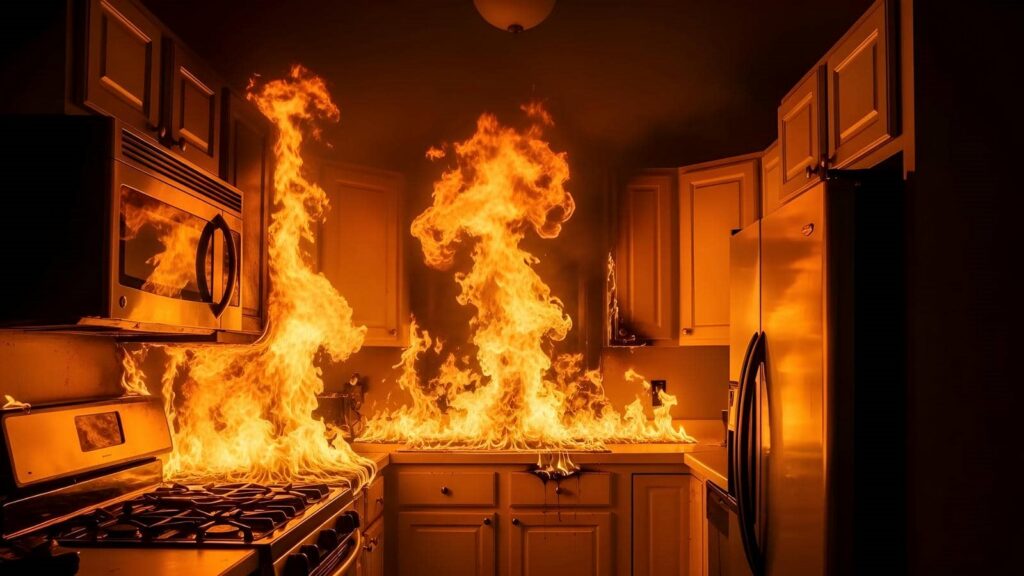
When facing fire damage restoration, it’s important to follow a systematic approach to restore your property effectively. Start by evaluating the damage, ensuring safety before entering. Securing the premises helps prevent further issues. If the damage is severe, reaching out to professionals is necessary. Documenting everything with photos and inventory is critical for insurance claims. But what comes next after these initial steps? Understanding the complete restoration process can make all the difference in your recovery.
Key Takeaways
- Conduct a thorough assessment of damage, including structural elements, electrical systems, and personal belongings, while documenting with photographs for insurance purposes.
- Prioritize safety by wearing protective gear, checking for hazards, and ensuring structural integrity before re-entering the property.
- Contact professionals for severe damage, persistent smoke odors, or concerns about structural stability to mitigate further risks.
- Clean smoke and soot damage using appropriate methods, and assess water damage with specialized equipment to ensure thorough drying.
- Perform a final inspection to verify compliance with safety codes, implement fire prevention strategies, and educate occupants on safety plans.
How to Assess Fire Damage Quickly and Effectively
When evaluating fire damage, it’s vital to act swiftly and systematically to minimize further complications.
Begin with a thorough fire damage assessment, focusing on structural elements, electrical systems, and personal belongings. You’ll want to document visible damage through photographs, guaranteeing you capture every angle for insurance purposes.
Conduct a quick evaluation of smoke and soot damage, as this can affect air quality and necessitate immediate remediation. Check for lingering odors, which indicate areas requiring deep cleaning.
It’s important to involve professionals if you encounter severe structural damage or hazardous materials. By taking these steps, you’ll secure a complete understanding of the damage and set a solid foundation for the restoration process, fostering a sense of belonging in your recovery journey.
Prioritizing Safety: Essential Steps Before Entering Your Property
After evaluating the fire damage, it’s imperative to prioritize your safety before entering the property.
Follow these essential steps to guarantee your well-being while adhering to fire safety and emergency protocols:
- Assess Structural Integrity: Look for visible signs of collapse or instability before entering.
- Wear Protective Gear: Equip yourself with gloves, masks, and sturdy boots to shield against hazards.
- Check for Hazards: Be vigilant for smoke, toxic fumes, or exposed electrical wires that may pose risks.
- Consult Professionals: Contact fire and restoration experts for guidance before re-entering the property.
Securing the Property: Preventing Further Damage After a Fire
After a fire, securing your property is vital to prevent further damage.
Start by evaluating the structural integrity to guarantee safety, then consider board-up services to protect against weather and vandalism.
Finally, implement water removal procedures to lessen the risk of mold and additional deterioration.
Assessing Structural Integrity
Evaluating the structural integrity of a property following a fire is essential to preventing further damage and guaranteeing safety.
You’ll want to conduct thorough structural assessments to identify any risks. Here’s how to approach your damage evaluation:
- Inspect Load-Bearing Walls: Check for cracks or warping that could compromise support.
- Examine Floors and Ceilings: Look for sagging or signs of instability.
- Assess Roof Condition: Verify there’s no significant damage that could lead to leaks.
- Review Foundation: Look for fissures or shifting that may indicate serious issues.
Board-Up Services
Once the structural integrity of your property has been assessed, the next step is to secure the premises to prevent further damage.
Board-up services are essential during this process, as they protect your property from weather elements and unauthorized access. Using high-quality board up materials, professionals will quickly cover windows, doors, and any openings.
This emergency response not only safeguards your belongings but also helps maintain the property’s value. Taking swift action minimizes potential hazards and guarantees the restoration process can proceed smoothly.
Water Removal Procedures
While evaluating fire damage, it’s essential to address any water accumulation from firefighting efforts, as standing water can lead to further deterioration of your property.
To effectively manage water removal, follow these steps:
- Assess the damage using moisture assessment techniques to identify affected areas.
- Choose appropriate water extraction methods such as pumps or vacuums to remove standing water.
- Dry out the space by employing industrial fans and dehumidifiers to eliminate residual moisture.
- Monitor humidity levels regularly to guarantee the environment remains dry and prevent mold growth.
When to Contact Fire Damage Restoration Professionals?
If you notice signs of severe damage, like charred walls or extensive charring, it’s essential to seek professional help immediately.
Persistent smoke odors can indicate hidden damage that requires specialized equipment to eliminate effectively.
Additionally, any concerns about structural integrity should prompt you to contact fire damage restoration experts to guarantee your safety and restore your home properly.
Signs of Severe Damage
In the aftermath of a fire, recognizing the signs of severe damage is vital for guaranteeing safety and effective restoration.
If you notice any of the following indicators, it’s imperative to contact fire damage restoration professionals immediately:
- Structural Instability: Walls, ceilings, or floors appear warped or cracked.
- Extensive Smoke Damage: Visible soot on walls, ceilings, or belongings indicates deeper damage.
- Persistent Odors: Lingering smoke odors signal that smoke damage is more extensive than it seems.
- Fire Hazards: Evidence of smoldering materials or electrical issues poses ongoing fire risks.
Addressing these signs promptly can help mitigate further damage and guarantee a safer environment for you and your loved ones.
Smoke Odor Persistence
Persistent smoke odors after a fire can indicate that the damage goes deeper than what’s immediately visible. If you notice lingering smells, it’s vital to act swiftly.
Many homeowners underestimate the complexity of smoke damage, which can embed itself in walls, furniture, and fabrics. You should consider contacting fire damage restoration professionals who specialize in smoke removal techniques and odor neutralization methods.
They possess the tools and expertise to effectively eliminate these odors, ensuring your home returns to a safe and comfortable environment.
Don’t let smoke odors persist; reaching out for professional help can restore your space and peace of mind, allowing you to fully reclaim your home and well-being.
Structural Integrity Concerns
When evaluating the aftermath of a fire, understanding structural integrity concerns is essential for your safety and the safety of your home.
To guarantee your property is secure, consider the following steps for a proper structural assessment:
- Inspect Load-Bearing Walls: Check for any signs of damage that may compromise the building’s stability.
- Evaluate the Roof Structure: Look for sagging or burnt areas that could indicate weakness.
- Assess Foundation Integrity: Look for cracks or shifts that could affect the overall safety of the home.
- Consult Professionals for Integrity Evaluation: If you notice any concerning signs, reach out to fire damage restoration experts immediately for a thorough assessment.
Taking these steps can help you make informed decisions about your home’s safety and restoration.
Documenting the Damage: The Importance of Photos and Inventory
Effective documentation of fire damage is essential for a successful restoration process. Start by taking clear, detailed photos of all affected areas. Capture wide shots for context and close-ups to highlight specific damage. This visual evidence will support your insurance claim and guide restoration efforts.
Next, create an inventory checklist of damaged items, including furniture, appliances, and personal belongings. Note their condition and estimated value to guarantee accurate assessments.
Safely Clearing Fire Debris: Tips and Techniques
When clearing fire debris, it’s essential to wear appropriate personal protective equipment (PPE) to guarantee your safety. This includes gloves, masks, goggles, and sturdy boots to protect against hazardous materials.
Additionally, familiarize yourself with safe disposal methods to handle the debris properly and comply with local regulations.
Personal Protective Equipment
Clearing fire debris requires careful attention to safety, and personal protective equipment (PPE) is your first line of defense.
Before you begin, make sure you’re equipped with the right protective gear to adhere to safety protocols. Here’s a quick checklist:
- Hard Hat: Protects your head from falling debris.
- Safety Goggles: Shields your eyes from dust and particles.
- Respirator Mask: Filters out harmful smoke and toxins.
- Gloves and Steel-Toed Boots: Safeguards your hands and feet from sharp objects.
Wearing this PPE not only minimizes your risk of injury but also fosters a sense of security as you’re part of a community committed to restoring safety and stability.
Stay safe and focused throughout the process!
Safe Disposal Methods
Proper disposal of fire debris is essential for guaranteeing both safety and environmental compliance.
Begin by sorting through the debris, identifying hazardous materials such as asbestos, lead, or chemicals. Use eco-friendly disposal methods, like recycling salvageable materials or utilizing local waste management services designed for hazardous material management.
Contact professionals if you encounter complex situations; they’re trained to handle dangerous substances properly. When disposing of debris, always wear appropriate PPE to protect yourself from harmful particles.
Keep the area organized to prevent accidents and guarantee efficient cleanup. Finally, document your disposal methods for compliance with local regulations, reinforcing your commitment to safety and environmental responsibility.
Following these steps fosters a sense of community and encourages sustainable practices.
Top Techniques for Removing Smoke and Soot Residue From Surfaces
Removing smoke and soot residue from surfaces requires a systematic approach to guarantee thorough cleaning and restoration.
By employing effective smoke removal techniques and soot cleaning methods, you can greatly improve the outcome of your restoration efforts.
Here are four essential steps to follow:
- Assess the Damage: Identify the surfaces affected by smoke and soot.
- Vacuum: Use a HEPA vacuum to remove loose soot particles without spreading them further.
- Clean with Appropriate Solutions: Select cleaning agents designed for smoke damage, applying them carefully with a soft cloth.
- Seal or Repaint: After cleaning, consider sealing or repainting surfaces to prevent lingering odors.
How to Handle Water Damage From Firefighting
Following the removal of smoke and soot residue, addressing the water damage caused by firefighting efforts is equally important in the restoration process.
Start by evaluating the extent of water damage in your property. Use specialized equipment, like dehumidifiers and fans, to dry out affected areas swiftly.
Make sure that you also inspect walls, floors, and ceilings for hidden moisture, as this can lead to mold growth and further complications. Remove any damaged materials, such as drywall or insulation, that can’t be salvaged.
If necessary, consult professionals experienced in water damage restoration, as they’ve access to advanced firefighting equipment and techniques.
Taking these steps will help you restore your space effectively, guaranteeing a safe and healthy environment for you and your loved ones.
What to Expect in the Fire Damage Restoration Process
When you commence the fire damage restoration process, you can expect a systematic approach to returning your property to its pre-loss condition.
Understanding the restoration timeline can help ease your concerns during this challenging time. Here’s what you can anticipate:
- Assessment: Professionals evaluate the extent of the damage, focusing on safety and structural integrity.
- Cleanup: Removal of debris, soot, and smoke odors is prioritized to guarantee a safe environment.
- Restoration: Repairing and rebuilding affected areas restores your property’s functionality and aesthetics.
- Final Touches: Confirming fire safety measures are in place to prevent future incidents rounds out the process.
Final Inspection and Preventing Future Fire Hazards
As you approach the final inspection of your restored property, it’s essential to guarantee that every aspect meets safety standards and is free from fire hazards.
Begin with a thorough final inspection checklist, covering electrical systems, smoke detectors, and structural integrity. Verify that all restoration work complies with local codes and regulations.
Next, implement effective fire prevention strategies. This might include installing fire-resistant materials, creating clear escape routes, and maintaining a well-organized storage area for flammable items.
Regularly review and update your safety plans with family members or occupants. By taking these proactive steps, you foster a sense of security within your home, allowing everyone to feel safe and connected.
Prioritizing safety not only protects your property but also promotes a supportive community.
Frequently Asked Questions
How Long Does Fire Damage Restoration Typically Take?
Fire damage restoration typically takes a few days to weeks, depending on the extent of the damage assessment. A detailed restoration timeline guarantees you understand each phase, keeping you informed and involved throughout the process.
Will My Insurance Cover Fire Damage Restoration Costs?
Your insurance may cover fire damage restoration costs, depending on your policy. It’s essential to review your coverage details and consult your agent to understand the restoration process and any potential out-of-pocket expenses.
Can I Restore Fire Damage Myself?
You can tackle fire damage yourself with DIY restoration, but it’s essential to assess the extent first. Fire repair often requires professional expertise, especially if structural integrity or hazardous materials are involved. Prioritize safety above all.
What Types of Materials Are Most Affected by Fire?
Fire transforms materials into ash and sorrow. You’ll find fabrics, paper products, and wood are most affected, while fire-resistant materials hold up better. However, smoke-damaged belongings often require meticulous cleaning or replacement for restoration.
Are There Any Health Risks Related to Fire Damage?
Yes, there are health hazards related to fire damage. Smoke inhalation can lead to respiratory issues and other severe health problems. It’s essential to address these risks promptly to guarantee a safe recovery environment for everyone involved.
Wrap-Up
Steering through fire damage restoration requires careful attention to detail and a methodical approach. Did you know that nearly 50% of families affected by a fire lose everything? This statistic highlights the importance of swift action and thorough restoration practices. By following the outlined steps, you not only secure your property but also protect your cherished belongings. Remember, professional help is invaluable when dealing with the aftermath of a fire, ensuring a safer and more effective recovery.