
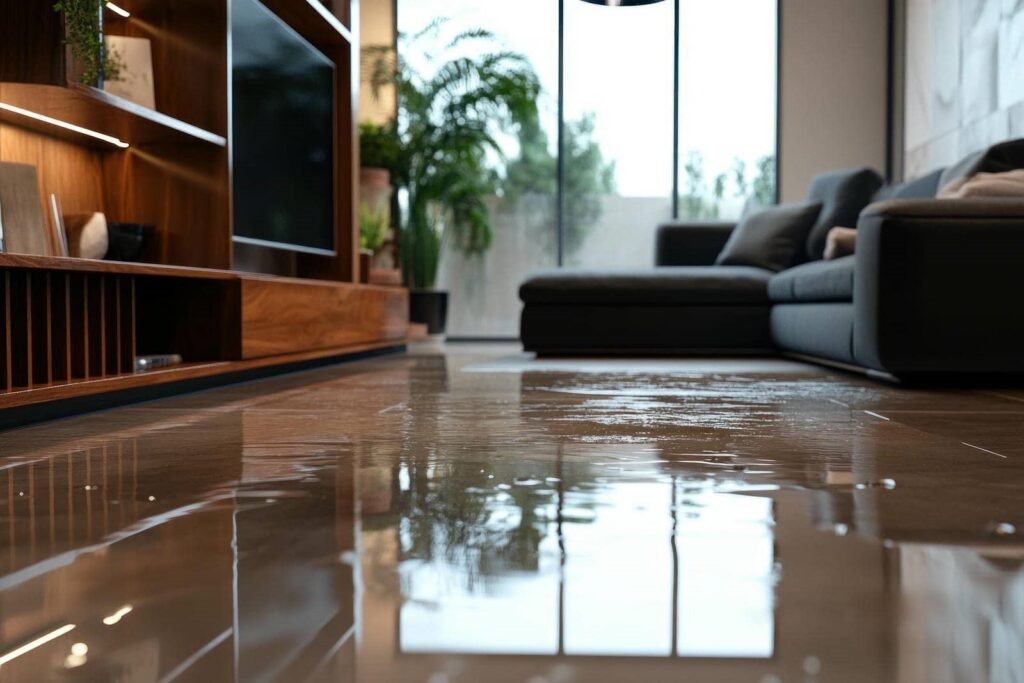
Imagine a pipe bursts in your kitchen, flooding the floor with water. You need effective water extraction methods to minimize damage and protect your home. Utilizing the right tools and techniques can make all the difference in restoring your space. In the following sections, you’ll discover proven strategies that address immediate water removal and help prevent future issues. Stay tuned to learn how to safeguard your home from water damage.
Key Takeaways
- Use a high-capacity wet/dry vacuum to remove standing water quickly and effectively from affected areas.
- Employ towels to soak up residual moisture on surfaces after initial water removal.
- Set up dehumidifiers to lower humidity levels and prevent mold growth during the drying process.
- Ensure proper ventilation by opening windows and using high-velocity fans for efficient airflow.
- Regularly inspect for hidden moisture and mold growth after water extraction to address potential issues promptly.
Common Causes of Water Damage in Homes
Water damage can occur unexpectedly, often stemming from a variety of common sources within a home. Flooding sources like heavy rainfall can lead to significant issues, while plumbing leaks are often hidden but can wreak havoc over time.
Faulty appliances, such as washing machines or dishwashers, may also contribute to water damage. Roof leaks allow moisture to seep in, creating a breeding ground for mold. Additionally, foundation cracks can let water infiltrate your home, especially during storms.
Sewer backups present serious health risks and require immediate attention. Finally, condensation issues in poorly ventilated spaces can lead to moisture accumulation. Being aware of these causes helps you protect your home and maintain a safe, comfortable environment.
Why Water Extraction Matters for Your Home
Water extraction is essential for preventing structural damage to your home.
By removing excess moisture, you can also improve indoor air quality, reducing the risk of mold and allergens.
Addressing water issues promptly protects both your property and your health.
Prevent Structural Damage
When moisture accumulates in your home, it can lead to significant structural damage if not addressed promptly. Excessive moisture retention can weaken your home’s foundation stability, resulting in cracks, warping, and even collapse over time.
To prevent these issues, it’s vital to act quickly with effective water extraction methods. Removing standing water and drying affected areas minimizes the risk of mold growth and decay in structural materials.
Regular inspections for leaks and moisture intrusion can help you identify potential problems early. By prioritizing water extraction, you protect your investment and maintain a safe and welcoming environment for your family.
Improve Indoor Air Quality
Effective water extraction is essential for protecting your home’s structure and for enhancing indoor air quality. When moisture lingers, it fosters mold growth, which can negatively impact the air you breathe.
By utilizing proper water extraction methods, you eliminate excess humidity, creating a healthier environment. This improvement benefits both you and your indoor plants, allowing them to thrive without the threat of mold spores.
Additionally, ensuring your ventilation systems are clear of obstructions enhances air circulation, further promoting better air quality. Regularly evaluating and maintaining these systems, along with effective water extraction, creates a harmonious living space that supports your well-being and fosters a sense of community in your home.
Step-by-Step Guide to DIY Water Extraction
If you’ve experienced water damage in your home, knowing how to extract it quickly can save you time and money.
Start by gathering your tools: a wet/dry vacuum, towels, and a dehumidifier. First, remove any standing water using the vacuum. Next, use towels to soak up the remaining moisture on surfaces.
For DIY moisture control, ensure proper ventilation by opening windows and using fans to promote airflow. Monitor humidity levels with a hygrometer, aiming for 30-60%.
After extraction, inspect for mold growth and address any damp areas promptly. Applying these water extraction tips will help you manage the situation effectively, ensuring your home remains a safe and comfortable space for you and your family.
When to Seek Professional Help for Water Extraction?
How can you tell when it’s time to call in the professionals for water extraction? If you’re facing significant water damage, it’s vital to act swiftly.
Here are four signs that indicate you should seek professional services:
Extensive Water Accumulation: If water covers a large area, DIY methods may not suffice.
Persistent Moisture: If moisture lingers after your efforts, it’s likely that hidden damage exists.
Mold Growth: Any signs of mold can pose health risks and require expert intervention.
Structural Concerns: If you notice warping or instability in your home, professionals can assess and address these serious issues.
Trusting professionals ensures proper water extraction and safeguards your home from further damage.
How Dehumidifiers Aid Water Extraction and Structural Drying
After addressing considerable water damage and potentially calling in professionals, utilizing dehumidifiers becomes a key part of the recovery process.
These devices are essential for effective moisture control, helping to reduce humidity levels in your home. There are various dehumidifier types available, including refrigerant and desiccant models, each suited for different environments.
By strategically placing these units in affected areas, you can accelerate structural drying and prevent further damage. They work by extracting moisture from the air, thereby creating a drier environment conducive to restoring your home.
Preventing Future Water Damage Through Effective Extraction Techniques
To prevent future water damage, you need to implement regular maintenance practices and effective drainage solutions.
Regularly checking your plumbing and roof can identify potential leaks before they escalate.
Additionally, ensuring proper drainage around your property can redirect water away, minimizing the risk of flooding.
Regular Maintenance Practices
Although water damage can occur unexpectedly, implementing regular maintenance practices greatly reduces the risk of future issues.
By staying proactive, you can protect your home from costly repairs. Here are four essential practices to incorporate into your routine:
Routine Inspections: Check for leaks, dampness, or mold in basements, attics, and around appliances.
Seasonal Maintenance: Clean gutters and downspouts to ensure proper drainage and prevent overflow.
Inspect Plumbing: Regularly examine pipes for signs of wear and tear, replacing them as necessary.
Test Sump Pumps: Confirm your sump pump operates effectively, especially before heavy rain seasons.
Effective Drainage Solutions
Regular maintenance practices help identify potential issues, but effective drainage solutions are key to preventing water damage in the first place.
Implementing efficient drainage systems can considerably reduce water runoff that could otherwise pool around your home. Start by evaluating your property’s grading; ensuring it’s sloped away from the foundation is essential.
Install gutters and downspouts to direct rainwater away, and consider using French drains or dry wells for more extensive drainage needs. Regularly clean these systems to avoid clogs that can lead to backups.
Additionally, check for any potential erosion or sediment buildup that may hinder proper drainage. By proactively managing these elements, you’ll create a protective barrier against future water damage, ensuring a safe and secure living environment.
Navigating Water Damage Insurance Claims
How can you effectively navigate the often-complex process of filing a water damage insurance claim? Here’s a streamlined approach to ensure you maximize your insurance coverage:
Document Everything: Take clear photos of the damage and keep receipts for repairs and mitigation efforts.
Review Your Policy: Understand what your insurance covers regarding water damage, including any exclusions.
Notify Your Insurer Promptly: Report the incident to your insurance company as soon as possible to start the claims process.
Keep Communication Open: Maintain regular contact with your adjuster, providing any requested information promptly.
Long-Term Effects of Inadequate Water Extraction
After managing the complexities of water damage insurance claims, it’s crucial to address the long-term effects of inadequate water extraction. Failing to thoroughly remove moisture can lead to significant mold growth, which can proliferate within just 24 to 48 hours.
This damages your home’s structure and creates severe health risks for you and your family. Mold spores can trigger allergies, respiratory issues, and other health complications, impacting your quality of life.
Additionally, lingering moisture can weaken materials like wood and drywall, leading to costly repairs down the line. Being vigilant about proper water extraction ensures a healthier living environment and protects your home’s integrity.
Prioritize effective methods to avoid these detrimental long-term consequences.
Essential Tools for Effective Water Extraction
To effectively combat water damage, having the right tools at your disposal is essential.
Here’s a list of must-have items to ensure your water extraction efforts are successful:
Water Extraction Equipment: Invest in a high-capacity wet/dry vacuum or a specialized water extractor for efficient removal.
Dehumidifiers: These help reduce moisture levels and prevent mold growth after extraction.
Fans: High-velocity fans promote airflow to expedite drying.
Essential Safety Gear: Always wear waterproof gloves, boots, and masks to protect yourself from contaminants.
With these tools, you can tackle water damage confidently, knowing you’re equipped for the task.
Frequently Asked Questions
How Can I Tell if My Home Has Hidden Water Damage?
You can tell if your home has hidden water damage by checking for water stains on walls or ceilings and noticing any musty odors. Both signs often indicate moisture problems that need immediate attention.
Is It Safe to Extract Water Without Professional Help?
It can be safe to perform DIY water extraction, but you must follow safety precautions. Always wear protective gear, ensure proper ventilation, and assess the situation carefully to avoid hazards such as electrical shock or mold growth.
What Are the Signs of Mold Growth After Water Damage?
You’ll notice signs of mold growth after water damage through musty odors, discoloration on surfaces, and increased humidity. Mold identification requires attention to these growth conditions: warmth, moisture, and organic materials. Address them promptly to prevent health risks.
Can I Use Household Items for Water Extraction?
Yes, you can use household tools like towels, buckets, and a wet/dry vacuum for water extraction. These DIY methods help you tackle small spills effectively, restoring your space and ensuring a sense of belonging in your home.
How Often Should I Check for Leaks in My Home?
You should conduct leak detection through regular inspections at least once a year. More frequent checks, especially in older homes or after heavy rainfall, can help you catch issues early and prevent costly damage.
Summary
Effective water extraction is essential for maintaining your home’s integrity and preventing mold growth. By following proven methods and utilizing the right tools, you can swiftly address water issues and protect your living environment. Don’t underestimate the importance of regular inspections and the proper use of dehumidifiers to ensure a safe, dry home for you and your family.