
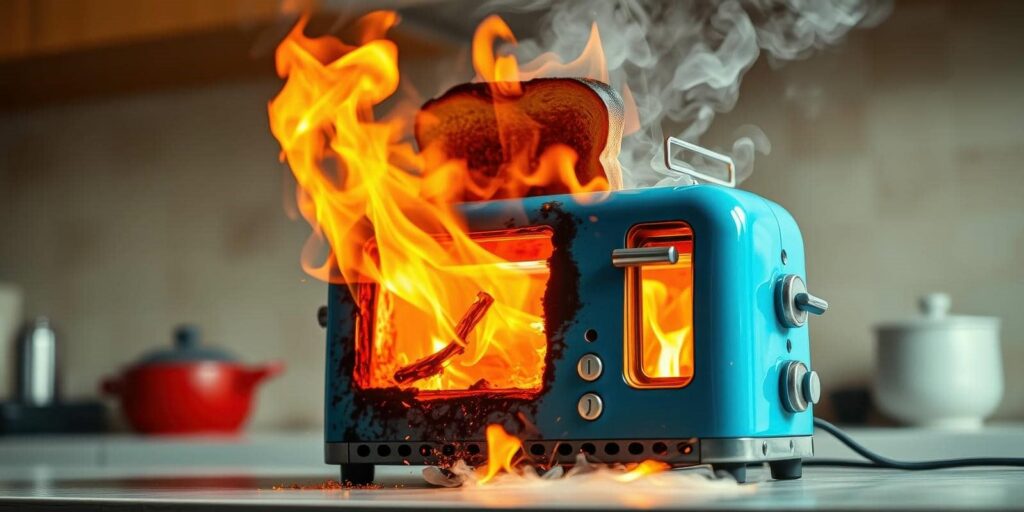
Restoration after a fire is like rebuilding a fortress; it requires careful planning and execution. Following the key steps in fire damage restoration is essential for ensuring safety and minimizing further damage. By understanding why a professional assessment is vital and how timely action can protect your property, you set the stage for effective recovery. What happens next could determine the future safety of your home and community.
Key Takeaways
- Following these steps ensures safety by addressing structural hazards and preventing further risks during the restoration process.
- A professional evaluation guarantees an accurate analysis of all fire damage, including hidden issues and toxic residues.
- Timely action in restoration helps mitigate health risks associated with smoke and soot exposure, protecting occupants’ well-being.
- Effective cleanup and restoration reduce the risk of future fires, enhancing overall fire safety in the property.
- Documenting the restoration process is essential for insurance claims and provides a comprehensive record for future reference.
What Are the Key Steps in Fire Damage Restoration?
When a fire occurs, the restoration process is critical to returning your property to its pre-loss condition.
First, it’s essential to ascertain safety by addressing any structural hazards. Next, you’ll need to assess the extent of fire damage, including smoke and water damage from firefighting efforts.
Once you’ve documented this, begin the cleanup phase, which includes removing debris and soot. After that, professionals will focus on drying out affected areas to prevent mold growth.
Following cleanup, restoration can commence, which may involve repairing or replacing damaged materials, such as drywall and flooring.
Finally, a thorough inspection guarantees all safety and quality standards are met, allowing you to reclaim your space with confidence and peace of mind.
Assessing Fire Damage: Why a Professional Evaluation Is Crucial
Although you may feel tempted to assess fire damage on your own, a professional evaluation is vital for accurate and extensive analysis. Fire damage can be deceptive; visible damage mightn’t reflect underlying structural issues or hidden hazards.
A trained expert performs a thorough damage assessment, identifying not only the obvious burn marks but also smoke damage, water damage from firefighting efforts, and potential toxic residues. This professional evaluation guarantees that no critical damage goes unnoticed, preventing further complications down the line.
Additionally, insurance companies often require a detailed report from certified professionals to process claims effectively. By relying on experts, you’ll gain peace of mind and a clear path forward in the restoration process.
How to Clean After Fire Damage
Cleaning after fire damage requires a systematic approach to guarantee that all remnants of smoke, soot, and debris are effectively removed.
Start by wearing protective gear, including masks and gloves, to confirm your safety.
Begin soot removal by using a vacuum with a HEPA filter to capture fine particles. For surfaces, utilize specialized cleaning solutions designed for fire damage; these will help eliminate smoke odor while breaking down soot.
Pay close attention to walls, ceilings, and upholstery, as these areas often absorb smoke.
After cleaning, ventilate the space thoroughly to further dissipate any lingering odors.
Finally, consider using an air purifier to enhance air quality and confirm your environment feels comfortable and welcoming once again.
Restoring Your Property: Why Timely Action Matters
Timely action is essential in fire damage restoration, as delays can lead to further deterioration of your property and increased repair costs.
When you respond quickly, you greatly enhance your property’s protection against secondary damages, such as mold growth or structural issues. A prompt assessment allows professionals to identify all affected areas, ensuring thorough restoration.
Additionally, a timely response can help mitigate potential health risks associated with smoke and soot. By acting swiftly, you not only safeguard your investment but also restore your sense of belonging and security.
Remember, every moment counts; prioritizing efficient restoration can make a considerable difference in the overall outcome of your property’s recovery.
Don’t underestimate the power of quick action in protecting your home.
How Restoration Helps Prevent Future Fires
When you complete fire damage restoration effectively, you not only restore your property but also greatly reduce the risk of future fires. This process involves evaluating and repairing structural damage, which can help eliminate potential fire hazards.
By replacing damaged wiring and ensuring that fire alarms are functional, you bolster fire safety in your home. Additionally, during restoration, you can implement preventive measures such as installing fire retardant materials and improving ventilation.
These actions not only protect your property but also foster a sense of community safety. By prioritizing fire damage restoration, you’re not just rebuilding; you’re creating a safer environment for yourself and those around you, proving that proactive steps can notably mitigate future risks.
Frequently Asked Questions
How Long Does the Fire Damage Restoration Process Typically Take?
The fire damage restoration process typically takes several days to weeks, depending on the extent of damage. A thorough fire damage assessment helps establish a restoration timeline, ensuring efficient recovery and minimizing disruptions to your life.
Will Insurance Cover All Fire Damage Restoration Costs?
Insurance might cover fire damage restoration, but it depends on your policy’s coverage limits. Carefully review your details to guarantee you understand what’s included, protecting your home and peace of mind during recovery.
Can I Stay in My Home During Restoration?
You can’t stay in your home during restoration due to fire safety concerns and potential hazards. The restoration timeline varies, but prioritizing your safety guarantees a thorough recovery from fire damage without unnecessary risks.
What Types of Smoke Damage Are There?
Smoke damage can be devastating, and there are three main smoke types: wet, dry, and fuel oil. Each requires specific restoration techniques to effectively remove odors and repair surfaces, ensuring your home returns to its former glory.
How Can I Prevent Future Fire Incidents in My Home?
To prevent future fire incidents in your home, prioritize fire safety. Implement prevention tips like installing smoke alarms, creating an escape plan, maintaining electrical systems, and practicing safe cooking habits. Stay vigilant to protect your space.
Review
Don’t underestimate the importance of following fire damage restoration steps. You might think you can handle it alone, but tackling hidden hazards and complex cleanup requires professional expertise. By acting swiftly and thoroughly, you not only protect your property but also safeguard your health and future. Remember, restoring your home isn’t just about fixing damage; it’s about reclaiming your sense of security and peace of mind in the aftermath of a traumatic experience. Take action today.