
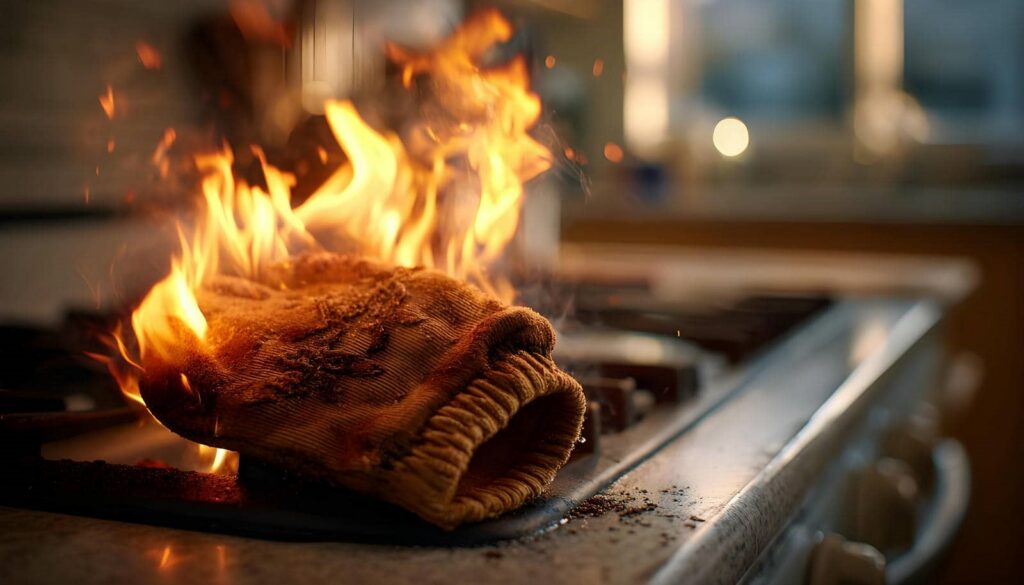
Cleaning smoke damage after a fire can seem overwhelming, but you don’t need to tackle it all at once. Start by evaluating the extent of the damage to prioritize your cleanup efforts effectively. You’ll want to gather the right supplies to guarantee a thorough job. Techniques for removing soot and odors are essential to restoring your space. Let’s explore these strategies in detail, so you can reclaim your home.
Key Takeaways
- Conduct a thorough inspection to identify soot, discoloration, and odors in all areas, including hidden spots like attics and behind appliances.
- Use a vacuum with a HEPA filter to remove loose soot particles before tackling deeper cleaning.
- Employ dry cleaning sponges for walls and ceilings, and wash non-porous surfaces with warm water and mild detergent.
- Utilize specialized smoke removal products for stubborn stains and deodorize with activated charcoal or baking soda to eliminate lingering odors.
- Document all damage for insurance, and seek professional help if the smoke damage is extensive or beyond your capabilities.
How to Assess Smoke Damage in Your Property?
When you assess smoke damage in your property, it’s essential to start with a thorough visual inspection. Look for signs of soot on walls, ceilings, and surfaces. Pay attention to any discoloration, as it can indicate the extent of the damage.
Next, evaluate the smoke odor; a strong smell suggests deeper penetration into materials. Check upholstery, carpets, and drapery, as they often absorb smoke particles. Document your findings meticulously for a detailed damage evaluation.
Don’t forget to inspect hidden areas like attics or behind appliances, where smoke could linger undetected. This methodical approach not only helps in understanding the full scope of the damage but also aids in planning effective cleanup strategies to restore your space.
Essential Supplies for Smoke Damage Cleanup
To effectively tackle smoke damage cleanup, you’ll need a range of essential supplies that enable you to address various surfaces and materials impacted by soot and odor.
Start with high-quality cleaning products specifically designed for smoke damage, like enzyme-based cleaners and degreasers. You’ll also want microfiber cloths and sponges, as they effectively trap soot particles.
For porous materials, consider a specialized smoke odor eliminator. Don’t forget your protective gear; gloves, masks, and goggles are vital to safeguard your health while working.
A sturdy vacuum with a HEPA filter is also fundamental for removing fine particles. Collecting these supplies beforehand will streamline your process and guarantee you’re well-prepared for the task ahead, fostering a sense of community and support among your peers.
Techniques for Removing Smoke Damage Residue
Five effective techniques can help you remove smoke damage residue from various surfaces.
First, use a vacuum with a HEPA filter to capture loose soot particles.
Second, employ dry cleaning sponges specifically designed for smoke removal; they’re excellent for walls and ceilings.
Third, mix a solution of warm water and a mild detergent to wash non-porous surfaces.
Fourth, for stubborn stains, consider using specialized smoke removal products that target specific residues.
Finally, don’t forget to deodorize; activated charcoal or baking soda can absorb lingering odors.
By implementing these smoke removal techniques and residue cleaning methods, you’ll restore your space to a clean and welcoming environment.
Frequently Asked Questions
How Long Does It Take to Clean Smoke Damage Thoroughly?
Cleaning smoke damage thoroughly typically takes several days to weeks, depending on the severity. You’ll need to assess the damage, develop a cleaning timeline, and follow a meticulous restoration process to guarantee complete recovery.
Will Insurance Cover Smoke Damage Cleanup Costs?
Yes, your insurance policies often cover smoke damage cleanup costs, but check the coverage limits. It’s essential to understand your specifics after all, maneuvering through these policies can feel like unraveling a tangled web of details.
Can I Handle Smoke Damage Cleanup Myself?
Yes, you can handle smoke damage cleanup yourself. With a methodical DIY cleanup approach, you’ll need to effectively remove smoke odor using specialized cleaning agents, thorough ventilation, and careful inspection of affected surfaces for lasting results.
What Health Risks Are Associated With Smoke Damage?
Smoke damage can lead to various health effects, particularly respiratory issues. You may experience irritation, coughing, or long-term complications. It’s vital to address these risks promptly to guarantee a safe and healthy environment for you.
How Can I Prevent Smoke Damage in the Future?
You can prevent smoke damage by implementing fire safety measures like installing smoke detectors, maintaining electrical systems, and practicing safe cooking habits. Regularly reviewing and updating your fire safety plan guarantees you’re prepared for emergencies.
Review
In the aftermath of a fire, reclaiming your space can feel like piecing together a jigsaw puzzle. By evaluating the damage, gathering essential supplies, and employing effective techniques, you can restore your property to its former glory. Remember, each stroke of your sponge and every sweep of your vacuum brings you closer to banishing the remnants of smoke. With patience and a methodical approach, you’ll not only remove the stains of the past but also breathe new life into your home.