
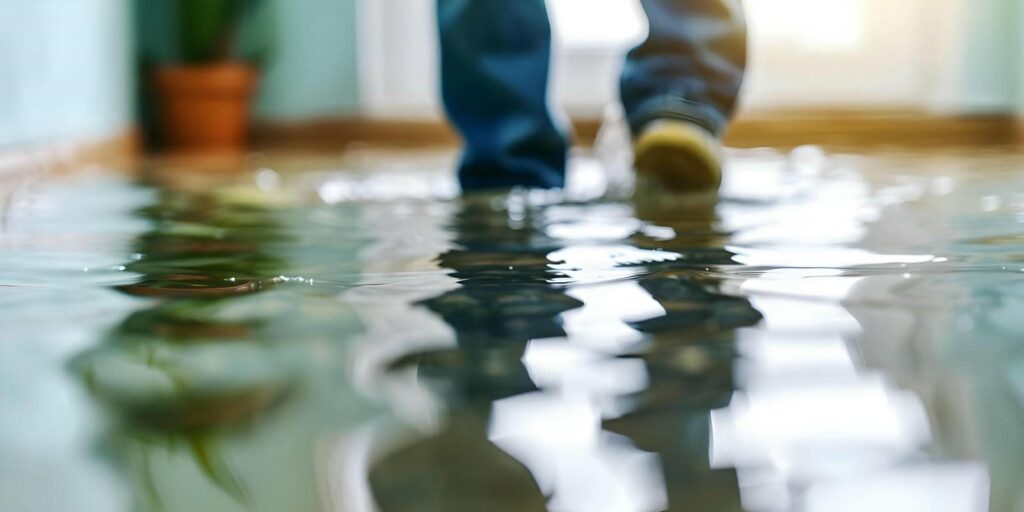
Steering through the murky waters of water damage claims can feel like wading through a flood. To effectively manage your claim, you’ll need to understand the nuances of your insurance policy and take prompt action. Starting with a thorough assessment of the damage is vital. What steps should you take to ensure your claim is complete and persuasive? Let’s explore the essential actions that can lead to a smoother resolution.
Key Takeaways
- Review your insurance policy to understand coverage limits and specific notification requirements for water damage claims.
- Notify your insurance company promptly, ideally within 24 hours, providing a clear description of the damage and its cause.
- Document all damage thoroughly with detailed photos, repair estimates, and notes on affected personal belongings and their values.
- Work transparently with the insurance adjuster, providing organized documentation and being prepared for their questions and assessments.
- Consider hiring a public adjuster if the claims process feels overwhelming, as they can negotiate effectively with insurance companies.
Understanding Water Damage: Types and Causes
When it comes to water damage, understanding its types and causes is essential for effective response and recovery.
You’ll encounter various forms of water damage, particularly flood damage and storm damage. Flood damage typically arises from excessive rainfall, overflowing rivers, or dam failures, leading to widespread destruction.
On the other hand, storm damage often occurs during severe weather events, such as hurricanes or heavy thunderstorms, where roof leaks or burst pipes can exacerbate the situation.
Recognizing these distinctions helps you identify the source and necessary actions for remediation. By grasping the causes of water damage, you can better prepare for emergencies and navigate the claims process with confidence, ensuring you’re not alone in addressing these challenges.
Assessing the Extent of Water Damage
To effectively assess the extent of water damage, you should first identify all affected areas within your property.
Next, measure the water levels in those regions to understand the severity of the situation.
Finally, document any visible damage, as this information will be essential for your insurance claim process.
Identify Affected Areas
Water damage can wreak havoc on your property, making it essential to identify affected areas promptly and accurately.
Start by checking for water sources, such as burst pipes, roof leaks, or flooding from outside. Use an inspection checklist to ensure you don’t overlook any spots.
Look for discoloration on walls, peeling paint, or warped flooring, as these can indicate hidden moisture. Pay attention to areas near appliances, bathrooms, and basements where water damage often occurs.
Don’t forget to inspect insulation and crawl spaces, as they can harbor unseen issues.
Measure Water Levels
As you assess the extent of water damage, measuring water levels becomes essential for understanding the severity of the situation. Start by identifying the highest point of water intrusion; this’ll help you gauge how far the water has traveled.
Use a tape measure or ruler to accurately measure water levels in affected areas, noting any significant fluctuations. This data is critical for evaluating potential damage to structures and materials.
Additionally, monitor moisture levels in walls and floors using a moisture meter, as hidden damage can often lurk beneath surfaces.
Document Visible Damage
Once you’ve measured the water levels, the next step is to document visible damage throughout the affected areas.
Begin by taking detailed photographs of damaged walls, floors, and belongings. Note the extent of discoloration, warping, or mold growth, as these indicators can greatly impact your water restoration efforts.
Make a thorough list of all affected items, including their estimated value. This documentation serves as evidence for insurance coverage claims and helps you track the recovery process.
Be sure to include dates and descriptions for clarity. Accurate documentation is essential; it strengthens your case when negotiating with your insurance provider and ensures you’re fairly compensated for your losses.
Documenting Water Damage Claims for Insurance
To effectively document your water damage claim, start by taking detailed photos of the affected areas, ensuring you capture all visible damage.
Next, gather repair estimates from reputable contractors to support your claim and provide a clear picture of the financial impact.
This thorough documentation will strengthen your case when dealing with your insurance provider.
Take Detailed Photos
When documenting your water damage claim for insurance, capturing detailed photos is essential, since these images serve as important evidence of the extent of the damage.
Start by organizing your photos methodically; consider using a consistent format for photo organization, such as labeling them by room or damage type. This helps streamline your submission process.
Ensure you categorize the damage accurately, showcasing both the affected areas and specific items, such as furniture or electronics. Take wide shots for overall context and close-ups for intricate details, like water stains or mold growth.
Remember to include timestamps in your photos to establish the timeline of the damage.
Thorough documentation supports your claim and reflects your diligence in addressing the situation.
Gather Repair Estimates
Collecting repair estimates is a crucial step in the water damage claims process, as these estimates provide a clear understanding of the financial impact of the damage.
Conducting a thorough repair cost analysis allows you to present a well-documented claim to your insurance company. Start by selecting reputable contractors, as their expertise will greatly influence the estimates you receive.
- It’s essential to ensure your home is restored to its previous condition.
- You want to feel secure in your environment again.
- Choosing the right contractor can save you both time and money.
Steps to Notify Your Insurance Company
Notifying your insurance company promptly is essential after experiencing water damage, as delays can complicate the claims process.
Begin by reviewing your policy to understand coverage limits and requirements for insurance notification. Next, contact your insurer immediately, ideally within 24 hours of the incident.
When you reach out, provide a clear description of the damage, including when and how it occurred. Your insurer may require specific details, so be prepared to answer questions.
Document your conversation, noting the date, time, and representative’s name. This information can expedite your claim process.
What Information to Include in Your Water Damage Claim?
When filing your water damage claim, it’s essential to document the damage thoroughly to provide clear evidence of the loss.
Include detailed repair estimates to support your claim and demonstrate the financial impact of the damage.
This information will help your insurance company assess the situation accurately and expedite your claim process.
Document Damage Thoroughly
To ensure your water damage claim is successful, it’s crucial to document the damage thoroughly. This step ensures you’re prepared for the claim process and helps substantiate your case.
Begin by taking clear photos or videos of all affected areas. Keep records of any damaged personal belongings, noting their condition and value.
- Capture the emotional toll on your family and home.
- Highlight the disruption to your daily life.
- Emphasize the urgency of restoring your living space.
Include Repair Estimates
Including repair estimates in your water damage claim is essential for a smooth claims process. You’ll want to gather detailed estimates from licensed contractors, outlining the necessary repairs and providing a thorough cost breakdown.
This demonstrates the extent of the damage and supports your case for reimbursement. Make sure the estimates reflect the actual repair process and include labor, materials, and any additional expenses like permits or inspections.
When submitting your claim, attach these estimates alongside your documentation of the damage. This transparent approach fosters trust with your insurer and can expedite the approval process.
Ultimately, a well-prepared claim with accurate estimates increases your chances of receiving the compensation you deserve.
Common Exclusions in Water Damage Policies
Although water damage policies are designed to cover a range of incidents, many homeowners are often surprised to find that certain situations are explicitly excluded.
Understanding these exclusions can help you navigate policy limitations and avoid unexpected costs. Here are some common exclusions you might encounter:
- Damage caused by flooding, which typically requires separate flood insurance.
- Gradual leaks or wear and tear, often viewed as maintenance issues.
- Sewer backups, which may need additional coverage.
Being aware of these exclusions can prevent frustration and ensure you’re adequately protected.
It’s essential to read your policy carefully and ask questions about any areas of concern. This way, you can make informed decisions and create a safety net for your home.
How to Work With Insurance Adjusters for the Best Outcome
Maneuvering the aftermath of water damage can be challenging, especially when dealing with insurance adjusters. To achieve the best outcome, you should approach the insurance negotiation with clear documentation of your damages.
Gather photographs, repair estimates, and any related invoices, as this evidence strengthens your claim. When discussing your claim settlement, be straightforward and articulate your expectations confidently.
Listen to the adjuster’s perspective; understanding their process helps foster a cooperative environment. Maintain professionalism, and don’t hesitate to ask questions if you need clarification.
If you feel your claim isn’t being handled fairly, consider seeking a second opinion or consulting a public adjuster. Staying informed and proactive can greatly enhance your chances of a favorable resolution.
Expediting Your Water Damage Claim
To expedite your water damage claim, it’s essential to act swiftly and methodically.
Begin by familiarizing yourself with your insurance policies, as understanding them can greatly smooth the claim process. Document everything: take photos, keep receipts, and make detailed notes of conversations with your insurer.
This level of organization helps you assert your rights and speeds up the review of your claim.
- Feel the relief of swift resolution.
- Experience the support of a knowledgeable community.
- Embrace the security of your home restored.
When to Hire a Public Adjuster for Your Claim?
After taking steps to expedite your water damage claim, you might find yourself wondering whether hiring a public adjuster is the right move.
If your claim is complex or the damage is extensive, a public adjuster can provide significant benefits. They’re skilled in negotiating with insurance companies and can ensure you receive a fair settlement.
Consider hiring one if you feel overwhelmed by the claims process or if your insurer disputes your claim. Additionally, if your policy coverage is unclear, their expertise can clarify your entitlements.
Weighing these hiring considerations against your specific situation will help you decide if a public adjuster is the best choice for maximizing your claim and easing your stress during this challenging time.
Tips for Preventing Future Water Damage Claims
While water damage can strike unexpectedly, implementing proactive measures can greatly reduce the likelihood of future claims.
To protect your home and peace of mind, consider the following steps:
- Install water alarms to detect leaks early and prevent extensive damage.
- Invest in a sump pump to manage groundwater and prevent flooding in your basement.
- Regularly inspect and maintain plumbing systems to catch potential issues before they escalate.
Frequently Asked Questions
What Is the Typical Timeline for Processing Water Damage Claims?
Typically, the claim process for water damage takes about 30 to 60 days. An insurance adjuster reviews your claim, assesses damages, and communicates findings, helping you understand the resolution timeline and next steps.
Can I File a Claim for Mold Growth After Water Damage?
Yes, you can file a claim for mold growth after water damage if it’s covered under your insurance policy. Confirm proper mold remediation takes place, as this can greatly impact your insurance coverage and overall claim success.
Will My Insurance Cover Temporary Housing During Repairs?
Your insurance coverage often includes temporary housing during repairs, but it varies by policy. Review your specific terms or contact your insurer to confirm what’s covered and verify you’re prepared for any unexpected expenses.
How Do Deductibles Affect My Water Damage Claim?
Your deductible impacts your water damage claim greatly. Higher deductibles mean larger out-of-pocket expenses before coverage kicks in, while lower deductibles result in smaller claim adjustments. Understanding this helps you navigate your financial obligations effectively.
Are There Specific Deadlines for Filing Water Damage Claims?
Yes, there are specific claim deadlines for filing water damage claims. You’ll need to follow your insurer’s filing procedures closely, as missing these deadlines can jeopardize your ability to receive compensation for your damages.
Summary
In managing water damage claims, being proactive and organized is your best ally. By understanding your policy, documenting the damage meticulously, and communicating effectively with your insurer, you can turn a flooding nightmare into a manageable process. Just as a ship steadies itself in turbulent waters, maintaining clarity and order will steer you toward a successful resolution. Remember, every detail counts, and your diligence can make all the difference in reclaiming what you’ve lost.