
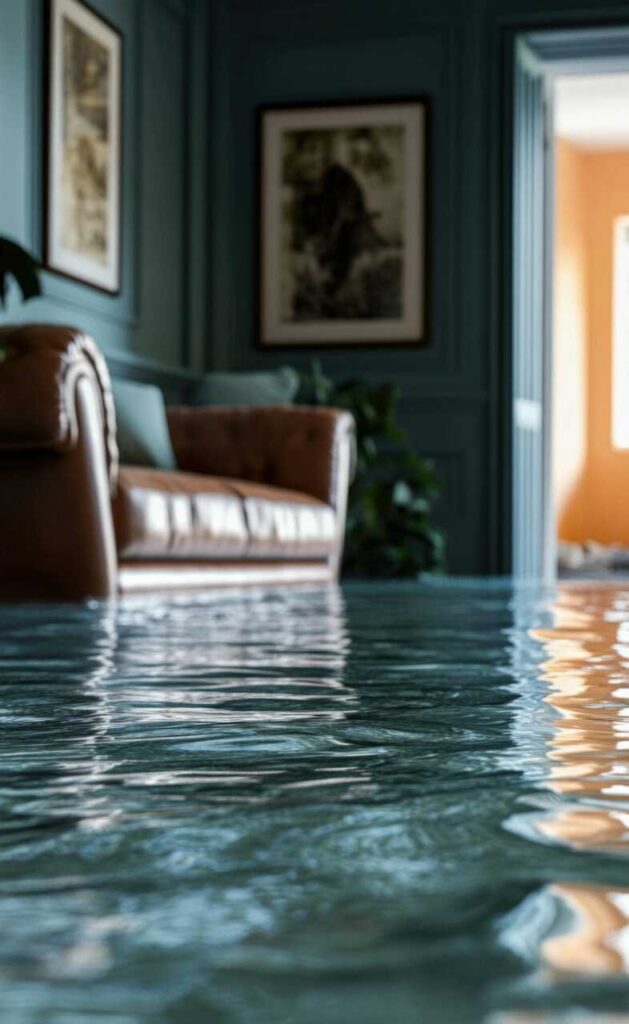
When faced with water damage, understanding effective water extraction methods is essential for homeowners. You’ll want to assess your situation and choose the right tools, whether it’s a wet/dry vacuum, absorbent materials, or even pumps for larger volumes of water. Each method has its pros and cons, and selecting the best approach can make a significant difference. But how do you know when it’s time to tackle the issue yourself or call in professionals?
Key Takeaways
- Wet/dry vacuums effectively remove standing water and are versatile for both extraction and debris cleanup.
- Submersible pumps are ideal for quickly removing large volumes of water from flooded areas.
- Dehumidifiers are essential for drying out walls and floors post-extraction to prevent mold growth.
- Absorbent materials like towels and mops help soak up residual moisture after initial extraction.
- Using fans promotes airflow, enhancing the drying process and reducing humidity levels in the home.
Why Water Extraction Matters for Homeowners
Water extraction matters for homeowners because it directly impacts the safety, health, and longevity of your home.
When you experience water damage, it can lead to structural issues, mold growth, and deterioration of materials. Prompt extraction is essential to mitigate these risks.
If water is left untreated, it compromises your living environment and your property value. Potential buyers often shy away from homes with a history of water damage, fearing hidden problems.
Top Water Extraction Methods: Pros and Cons
When considering water extraction methods, you’ll need to weigh the pros and cons of DIY approaches versus professional services.
Each option offers distinct advantages, such as cost-effectiveness and expertise, while also presenting potential downsides like limited effectiveness or higher expenses.
Understanding the equipment and techniques involved will help you make an informed decision that best suits your situation.
DIY Methods Overview
While you might think professional water extraction is the only solution for severe flooding, several DIY methods can effectively address minor water issues.
For instance, using a wet/dry vacuum can help you quickly remove standing water, minimizing potential water damage. Additionally, absorbent materials like towels and mops assist in soaking up residual moisture.
Fans and dehumidifiers are invaluable for drying out affected areas, promoting proper home maintenance. However, you should weigh the pros and cons; DIY methods can be time-consuming and may not fully resolve underlying issues.
If not addressed promptly, small problems can escalate into significant water damage. Being informed about these methods empowers you to take action, ensuring your home remains safe and dry.
Professional Services Benefits
Opting for professional water extraction services can greatly enhance your ability to tackle extensive water damage effectively.
With their professional expertise, these specialists provide an immediate emergency response, ensuring that water is removed quickly to minimize structural damage and prevent mold growth. They assess the situation accurately, employing advanced techniques and knowledge of building materials to safeguard your home.
You’ll benefit from their access to specialized equipment that considerably speeds up the extraction process compared to DIY methods. Furthermore, their experience allows them to identify hidden moisture issues, which can be critical for long-term protection.
Equipment and Techniques
After addressing immediate water damage with professional services, understanding the various equipment and techniques available for water extraction becomes crucial for homeowners.
Utilizing effective extraction equipment and drying techniques can greatly minimize damage and restore your space efficiently. Here are three key methods:
- Submersible Pumps: Ideal for removing large volumes of water quickly, especially in flooded areas.
- Wet/Dry Vacuums: Versatile for both water extraction and debris cleanup, suitable for smaller spills.
- Dehumidifiers: Important for drying out walls and floors, preventing mold growth after extraction.
Each method has its pros and cons, but when used together, they form a thorough approach to effective water extraction and drying.
Make informed choices to protect your home and ensure a complete recovery.
How to Pick the Best Equipment for Water Extraction
When selecting equipment for water extraction, consider the extraction capacity to ensure it meets your needs.
Assess the portability features to facilitate easy movement between different areas of your home.
Finally, evaluate the ease of use to minimize the time and effort required during the extraction process.
Consider Extraction Capacity
Choosing the right equipment for water extraction requires a careful assessment of extraction capacity, as this directly impacts efficiency and effectiveness.
Understanding the capabilities of your chosen equipment ensures ideal water removal from your space. Here are three key factors to take into account:
- Gallons Per Minute (GPM): Higher GPM ratings indicate faster extraction, which is vital for large areas.
- Tank Size: A larger tank allows for longer operation without frequent emptying, enhancing productivity.
- Suction Power: Look for equipment with strong suction capabilities to efficiently remove water, especially from carpets and upholstery.
Assess Portability Features
Portability features play an essential role in selecting the right water extraction equipment for homeowners tackling water damage. When choosing equipment, consider portable pumps that are lightweight and easy to transport. These pumps can be quickly moved to different areas of your home, allowing for efficient water removal.
Additionally, check the length and flexibility of extraction hoses; longer hoses can reach distant areas without needing to move the pump itself, enhancing convenience. Look for models with built-in handles or wheels for effortless mobility.
Prioritizing these portability features ensures you can respond promptly to water emergencies, making the recovery process smoother and more effective. Remember, choosing the right equipment can greatly impact your overall water extraction experience.
Evaluate Ease of Use
Five key factors can considerably enhance the ease of use when selecting water extraction equipment for your home.
Prioritizing user-friendly tools simplifies the process and boosts efficiency.
Here are three essential aspects to evaluate:
- Intuitive Controls: Look for equipment with straightforward interfaces that don’t require a manual to operate.
- Lightweight Design: Choose models that are easy to maneuver, reducing physical strain during operation.
- Quick Setup: Opt for tools that can be assembled and disassembled swiftly, allowing you to start the extraction process without delay.
Step-by-Step Guide to DIY Water Extraction at Home
When faced with water damage in your home, taking swift action can make all the difference in minimizing further issues.
Begin by identifying the source of the water and stopping it, if possible. Next, gather essential tools: a wet/dry vacuum, fans, dehumidifiers, and absorbent materials.
Start extracting standing water using the vacuum, focusing on high-risk areas like carpets and basements. Once most water is removed, enhance moisture control by setting up fans and dehumidifiers to expedite drying.
Regularly check for hidden moisture in walls and floors, as it can lead to mold growth. Finally, monitor the area for any lingering signs of water damage and address them promptly to ensure a safe, healthy home environment.
Safety Tips for DIY Water Extraction
Safety should be your top priority during DIY water extraction to prevent accidents and health hazards. Implementing proper safety precautions protects you and ensures a more effective process.
Here are some essential tips to follow:
- Wear Personal Protective Equipment (PPE): Always don gloves, masks, and waterproof boots to shield yourself from contaminants and moisture.
- Confirm Electrical Safety: Disconnect power sources in flooded areas to avoid electrocution. Use battery-operated equipment whenever possible.
- Ventilate the Area: Open windows and doors to reduce humidity and prevent mold growth, ensuring a safe working environment.
When to Seek Professional Water Extraction Help?
How can you determine if the situation requires professional intervention? If you notice extensive water damage, such as standing water or saturated materials, it’s vital to act swiftly.
When the moisture level exceeds what you can manage, or if you’re dealing with contaminated water, it’s time to call in experts. Professionals possess specialized equipment for effective moisture control, ensuring thorough extraction and preventing mold growth.
Additionally, if your home has sustained damage from a natural disaster or if structural integrity is compromised, seeking professional help is imperative.
How to Prevent Future Water Damage After Extraction
After addressing water extraction needs, it’s vital to implement measures that prevent future damage.
Effective moisture control is important for maintaining a safe and comfortable home. Here are three key strategies for future maintenance:
- Regular Inspections: Check your plumbing, roof, and foundation for leaks or vulnerabilities that could lead to water intrusion.
- Improve Drainage: Make sure gutters and downspouts are clear and direct water away from your home’s foundation, minimizing the risk of water pooling.
- Invest in Dehumidifiers: Use dehumidifiers in basements or areas prone to dampness to control humidity levels and reduce moisture buildup.
Water Extraction Cost Breakdown
Understanding the costs associated with water extraction is crucial for homeowners facing water damage. The price of water extraction can vary greatly based on the technologies employed, the extent of damage, and the area affected.
Generally, you can expect costs to range from $1,000 to $5,000, depending on the complexity of the job. When comparing costs, consider factors such as the type of water extraction technologies used—high-efficiency systems may incur higher upfront costs but can save you money in the long run through quicker drying times.
Always request a detailed cost comparison from service providers to ensure you’re making an informed decision. Remember, investing in quality extraction services now can prevent further costly repairs later.
Frequently Asked Questions
How Long Does Water Extraction Typically Take to Complete?
Water extraction typically takes several hours to a couple of days, depending on the severity of the situation. The drying process follows, influencing the overall water extraction timeline and ensuring your space is thoroughly restored.
Can I Use Regular Household Items for Water Extraction?
Yes, you can use household solutions like towels, buckets, and fans for water extraction. DIY techniques such as using a wet/dry vacuum can also enhance your efforts, making it easier to manage minor water issues effectively.
What Should I Do Immediately After Water Damage Occurs?
Swiftly secure safety; your emergency response begins now. Immediately assess the situation, shut off utilities, and remove valuables. Take immediate actions to prevent further damage, like using fans and dehumidifiers to dry affected areas.
How Can I Tell if My Home Has Hidden Water Damage?
You can tell if your home has hidden water damage by checking for hidden leaks, using moisture detection tools, observing discoloration on walls, and feeling for dampness in areas like basements, attics, or behind appliances.
Are There Any Warranties for Water Extraction Equipment?
Sure, warranties for water extraction equipment exist, but they often resemble a magician’s trick—promising longevity while vanishing when you need them. Check the warranty coverage to verify it matches your equipment’s expected lifespan.
Conclusion
Mastering water extraction techniques can save you time, money, and stress when dealing with water damage. By knowing when to use a wet/dry vacuum or a submersible pump, you can tackle minor issues effectively. Coincidentally, the skills you develop today might just prevent a future disaster, ensuring your home remains safe and dry. Remember, if the situation feels overwhelming, don’t hesitate to call in professionals. Your home’s integrity is worth it.