
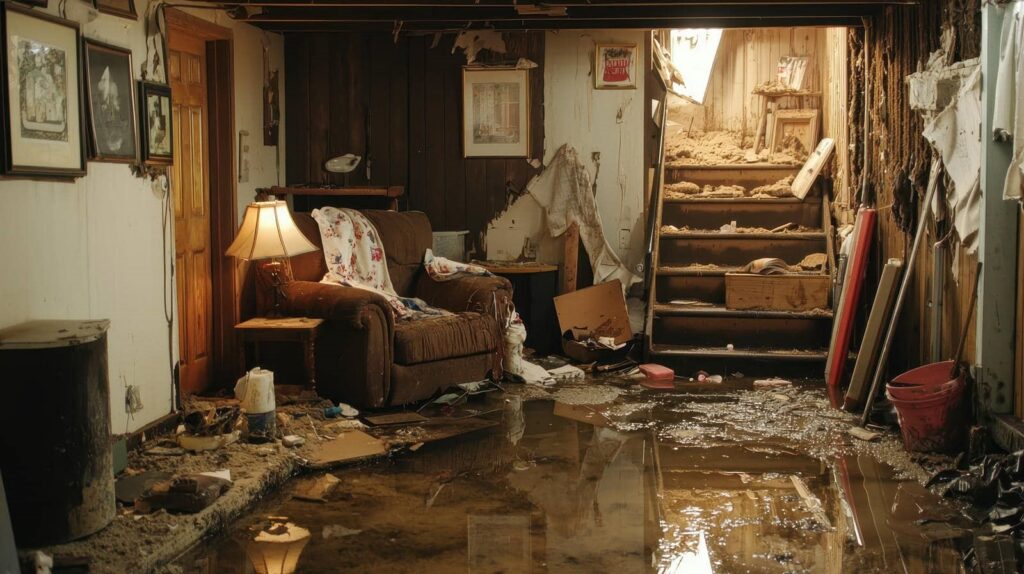
Many homeowners underestimate the complexity of flood damage cleanup, often leading to costly mistakes. Knowing what steps to take can greatly influence your recovery process. From evaluating the damage to implementing effective drying techniques, each phase is vital. Safety should always come first, and understanding how to properly document your losses can be equally important for insurance purposes. Let’s explore the essential techniques that can help you restore your home efficiently and effectively.
Key Takeaways
- Begin with a thorough damage assessment, documenting visible signs and structural integrity for insurance claims.
- Ensure safety by wearing protective gear, turning off power, and ventilating the workspace during cleanup.
- Use appropriate water extraction methods, such as submersible pumps for large areas and wet/dry vacuums for smaller spaces.
- Employ high-powered fans and dehumidifiers to expedite drying and prevent mold growth in affected areas.
- Clean and disinfect surfaces with a bleach solution to eliminate bacteria and prevent future contamination.
Assess Flood Damage: What to Look For
When evaluating flood damage, it’s vital to take a systematic approach.
Start with a thorough flood damage assessment by inspecting both the interior and exterior of your property. Look for visible signs like water stains, mold growth, and deterioration of materials.
For an all-encompassing structural integrity evaluation, examine the foundation, walls, and roof. Check for cracks, warping, or buckling, as these can indicate severe damage.
Don’t forget to assess electrical systems and plumbing, as water exposure can compromise safety. Document your findings meticulously, as this information will be key for insurance claims.
Engaging in a detailed assessment not only helps you understand the extent of the damage but also fosters a sense of belonging within your community by sharing insights and experiences with fellow homeowners.
Safety Precautions for Cleanup
After evaluating the flood damage, prioritizing safety during cleanup is paramount.
Start by gathering your personal protective equipment: wear waterproof gloves, rubber boots, and a mask to shield against mold and contaminants. Confirm your workspace is well-ventilated to reduce inhalation risks.
Before you begin, stock up on emergency supplies like flashlights, first aid kits, and extra batteries. If there’s standing water, avoid electrical hazards by turning off the power supply.
Use a sturdy ladder for elevated areas and be cautious of slippery surfaces. Keep a phone handy for emergencies and work in teams whenever possible.
Documenting Flood Damage for Insurance Claims
To guarantee a smooth insurance claims process, you need to document flood damage meticulously.
Start by taking detailed photographs of affected areas and items, capturing different angles and any serial numbers for verification.
Additionally, keep all receipts organized to substantiate your claims and demonstrate incurred expenses.
Take Detailed Photographs
Capturing detailed photographs of flood damage is essential for substantiating your insurance claims, as these visuals provide concrete evidence of losses incurred.
To effectively document damage, start by using a high-resolution camera or smartphone. Guarantee you take wide shots of entire rooms before zooming in on specific areas affected by water.
Employ flood photography tips, such as capturing the same angle multiple times to show changes over time. Include timestamps on your photos for added credibility.
Don’t forget to photograph any damaged personal belongings, as this can enhance your claim.
Organizing these images systematically will streamline your claim process, making it easier to communicate with your insurance provider and guaranteeing you receive the compensation you deserve.
Keep Receipts Organized
Once you’ve documented flood damage with photographs, the next step is to keep your receipts organized.
Proper receipt organization is essential for effective expense tracking and guarantees you have all necessary documentation for your insurance claim.
Here are some methods to help you stay organized:
- Create a dedicated folder for all flood-related receipts.
- Sort receipts by date to maintain a chronological order.
- Use a spreadsheet to record each expense, including vendor details and amounts.
- Scan physical receipts as backup, making sure nothing gets lost.
Extract Water Effectively: Techniques for Extraction
Effective water extraction is essential in minimizing flood damage and guaranteeing a safe environment. Start by evaluating the extent of water intrusion, then choose appropriate water removal methods.
For large volumes, consider using extraction equipment like submersible pumps or truck-mounted vacuums. These tools can efficiently remove standing water, reducing the risk of mold growth and structural damage.
For smaller areas, portable extractors or wet/dry vacuums are effective. Confirm you work from the highest point to the lowest, directing water toward drains or outside.
Always wear protective gear to safeguard against contaminants. After extraction, monitor moisture levels to prepare for the next steps in your cleanup process, reinforcing your commitment to a thorough and effective flood recovery.
Drying Out Flood Damage: Best Practices and Tools
As you begin the drying process after a flood, it’s vital to act swiftly to prevent further damage and the development of mold. Effective moisture control is critical for successful flood recovery.
Here are some best practices and tools to help you dry out your space:
Use high-powered fans: Position fans to create airflow and expedite drying.
Dehumidifiers: Invest in industrial dehumidifiers to remove excess moisture from the air.
Thermal imaging: Employ thermal imaging cameras to identify hidden damp areas.
Moisture meters: Use these tools to monitor moisture levels in walls and flooring.
Cleaning Flood-Damaged Areas: How to Eliminate Mold and Bacteria
When floodwaters recede, the urgency to clean flood-damaged areas can’t be overstated, especially to eliminate harmful mold and bacteria.
Start by wearing protective gear, including gloves and masks, to keep yourself safe. Remove all soaked materials, like carpets and drywall, promptly to minimize mold growth.
For mold removal, use a mixture of water and detergent or a commercial mold cleaner; scrub surfaces thoroughly and allow them to dry completely.
Next, focus on bacteria prevention by disinfecting all affected areas with a bleach solution (1 cup bleach to 1 gallon of water). Guarantee proper ventilation during the process to enhance air circulation.
Regularly check for any signs of mold recurrence to maintain a safe, healthy environment.
Repairing Flood Damage: DIY Tips vs. Professional Help
When evaluating flood damage, it’s essential to determine the severity of the impact on your property.
This evaluation will guide you in deciding whether to tackle repairs yourself or hire professionals.
Consider a cost-benefit analysis to weigh your options effectively, factoring in time, skill level, and potential long-term issues.
Assessing Damage Severity
How can you effectively determine the severity of flood damage before deciding whether to tackle repairs yourself or call in professionals?
Start with a thorough damage assessment, focusing on key severity indicators:
Extent of water intrusion: Check how deep the water penetrated your home.
Material damage: Inspect walls, flooring, and furniture for warping or mold.
Electrical hazards: Verify all electrical systems are safe and undamaged.
Structural integrity: Look for cracks in walls or ceilings that could signal major issues.
Cost-Benefit Analysis
Determining whether to repair flood damage yourself or hire professionals hinges on a careful cost-benefit analysis that considers both immediate and long-term implications.
Start with a thorough cost evaluation of materials, tools, and time. DIY might seem cheaper upfront, but hidden costs can arise, especially if you lack the expertise.
Assess the potential risks of inadequate repairs, which could lead to further damage, necessitating more extensive financial planning.
Conversely, hiring professionals typically incurs higher initial costs but offers specialized skills and efficiency, ensuring a safer, more effective restoration.
Consider your own capabilities and the complexity of the damage.
Ultimately, weighing these factors will guide you to a decision that balances your budget, time, and peace of mind.
Preventing Future Flooding: Effective Mitigation Strategies
While floods can strike unexpectedly, implementing effective mitigation strategies can considerably reduce the risk of future flooding. Start by evaluating your property’s vulnerability and consider installing flood barriers to protect critical areas.
Next, verify your drainage systems are properly designed and maintained. Regular inspections will help you identify blockages and improve water flow during heavy rains.
- Elevate electrical appliances and utilities above potential flood levels.
- Landscape your yard with native plants to absorb excess rainwater.
- Create swales or trenches to direct water away from your home.
- Invest in sump pumps for basements to manage accumulated water effectively.
What Your Flood Insurance Covers?
Understanding what your flood insurance covers is vital for effective recovery after a flood event. Your flood insurance coverage typically includes damage to your home’s structure, such as walls, floors, and electrical systems, as well as personal property like furniture and appliances.
However, it’s important to be aware of policy exclusions that could limit your coverage. For instance, damage from sewer backups or mold may not be included unless you have additional riders.
Familiarizing yourself with these specifics guarantees you know which losses are eligible for reimbursement, making it easier to navigate the claims process. Always review your policy carefully and consult with your insurance agent to clarify any uncertainties regarding your coverage and exclusions.
Restoring Your Home Post-Flood: Final Steps
As you complete the initial cleanup and repairs after a flood, focusing on the final steps of restoration is essential for making sure your home is safe and livable.
Implementing effective flood restoration techniques will help you return your space to its original condition.
Here are key home safety measures to take into account:
Inspect and replace damaged electrical systems.
Use moisture meters to verify all areas are thoroughly dried.
Check for mold growth and treat affected areas promptly.
Reinforce structural integrity by evaluating and repairing any compromised supports.
Frequently Asked Questions
How Long Does It Typically Take to Fully Clean up Flood Damage?
It typically takes one to three weeks to fully clean up flood damage, depending on restoration factors like severity, materials affected, and your cleanup timeline. Staying organized and proactive can expedite the entire process.
What Are Common Mistakes Homeowners Make During Flood Cleanup?
Common cleanup errors include neglecting thorough damage assessment, rushing to remove items without proper evaluation, and failing to document the process. These mistakes can lead to further complications and increased costs during the recovery phase.
Are There Specific Products Recommended for Flood Damage Cleanup?
For flood cleanup, you’ll want effective cleaning solutions like enzyme-based cleaners, antimicrobial sprays, and moisture meters. These flood cleanup products help eliminate contaminants and moisture, ensuring a thorough and safe recovery for your home.
How Can I Prevent Mold Growth After a Flood?
To prevent mold growth after a flood, guarantee humidity control by using dehumidifiers, ventilating spaces, and maintaining temperatures above 70°F. Regularly inspect for moisture and promptly address any leaks or water accumulation.
What Should I Do if I Can’T Afford Professional Cleanup Services?
If you can’t afford professional cleanup, think of it like planting a garden from seeds. Start with DIY cleanup remove water and debris. Seek financial assistance through local organizations, ensuring you cultivate a safe, healthy environment.
Recap
In the aftermath of a flood, every moment counts. As you navigate the cleanup process, remember that overlooking even one essential step could lead to lingering issues like mold or structural damage. Don’t underestimate the importance of thorough documentation for your insurance claims, and stay vigilant about safety. You’ve got the techniques at your fingertips now it’s time to act decisively. Will you restore your home to its former glory, or will the flood’s aftermath linger longer than necessary? The choice is yours.