
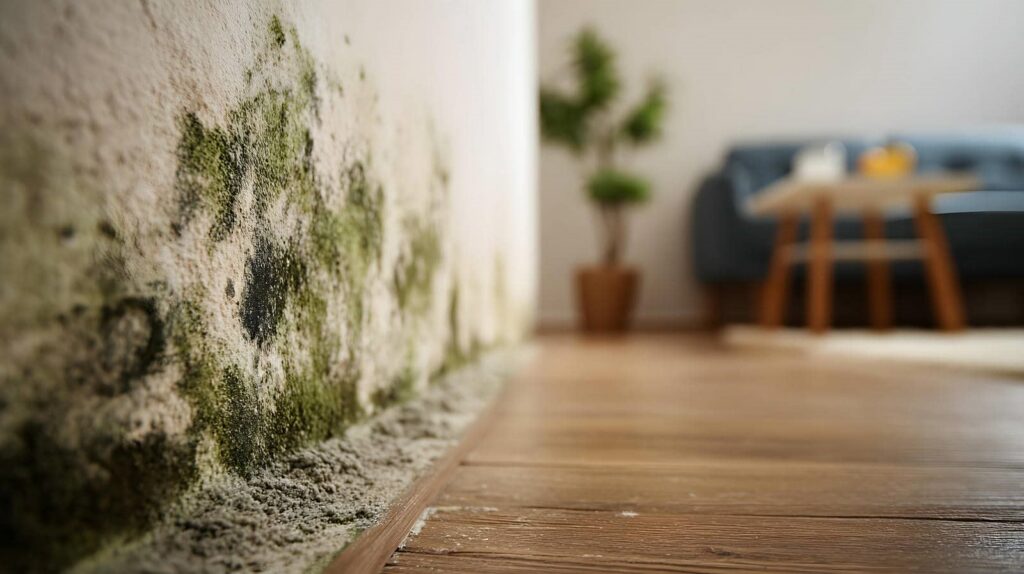
Imagine a homeowner discovering mold in their basement just weeks after a significant leak. This situation highlights the critical need for prompt action to prevent mold growth after water damage. By understanding effective strategies and implementing them immediately, you can safeguard your property. However, the process requires more than just drying the area—there are specific steps you must take to ensure long-term protection. Let’s explore these essential measures together.
Key Takeaways
- Immediately remove standing water and enhance ventilation to promote drying and reduce moisture accumulation.
- Use dehumidifiers to maintain indoor humidity levels between 30-60% for effective mold prevention.
- Opt for mold-resistant materials during repairs, such as drywall, paints, and insulation.
- Regularly inspect and fix leaks in plumbing and ensure proper ventilation in high-moisture areas.
- Monitor humidity levels with a hygrometer and conduct routine inspections for hidden mold.
Why Mold After Water Damage Is a Serious Concern
When you experience water damage, the risk of mold growth becomes a pressing issue that shouldn’t be overlooked.
Mold can have serious implications for your health, especially if you’re exposed to it over time. Inhaling mold spores can lead to respiratory issues, allergies, and even more severe conditions, particularly for vulnerable individuals.
Beyond health concerns, the financial impact can be significant. Mold remediation can be costly, often requiring extensive repairs and professional cleaning services. Delaying action increases the likelihood of widespread mold, which can further escalate expenses.
Mold Prevention: Act Quickly With Immediate Water Removal
Addressing mold growth starts with swift action to remove water. Your prompt response is essential in preventing mold from taking hold. Quick water extraction minimizes moisture, reducing the risk of mold proliferation.
Here’s how you can act fast:
- Locate the source of the water and stop it.
- Use pumps or wet vacuums for efficient water extraction.
- Open windows and doors for ventilation to speed up drying.
- Remove soaked materials, like carpets and furniture, to discourage mold growth.
- Monitor humidity levels to ensure they remain low.
Tackle Moisture Sources to Prevent Mold Growth
To effectively prevent mold growth, you must tackle moisture sources that can lead to further water issues. Start by identifying areas with high humidity or leaks, as these are prime mold breeding grounds.
Install moisture barriers in basements and crawl spaces to block water intrusion and keep your environment dry. Additionally, consider using mold-resistant materials for walls, ceilings, and flooring; these options can greatly reduce mold risk.
Ensure proper ventilation in bathrooms and kitchens to decrease humidity levels. Regularly inspect plumbing fixtures for leaks, and fix them promptly.
Dry Out Affected Areas Thoroughly to Stop Mold
To prevent mold growth, you must dry out affected areas thoroughly.
Start by removing standing water immediately, as this is critical in halting further moisture accumulation.
Then, use dehumidifiers and ensure proper ventilation to maintain a dry environment.
Remove Standing Water Immediately
Act quickly to remove standing water after a flood or leak, as even small amounts can lead to significant mold growth.
Effective water extraction is essential for moisture control and preventing future issues. Here are some steps you can take:
- Use a wet/dry vacuum to remove excess water.
- Mop up remaining moisture with absorbent towels.
- Open windows and doors to promote airflow.
- Check for water in hidden areas like under cabinets or carpets.
- If needed, call professionals for thorough water extraction.
Use Dehumidifiers Effectively
While removing standing water is essential, using dehumidifiers effectively can greatly enhance your efforts to dry out affected areas and prevent mold growth.
Start by placing your dehumidifiers strategically in the most affected rooms, ensuring ideal airflow. Monitor humidity levels regularly; aim for a range of 30-60% to inhibit mold development.
If possible, use multiple units to cover larger spaces or areas with significant moisture. Remember to empty the dehumidifier’s reservoir frequently or set up a continuous drainage system for efficiency.
By prioritizing proper dehumidifier placement and diligent humidity monitoring, you’ll create a drier environment that discourages mold spores from settling and thriving.
Take these steps now to protect your space and loved ones from potential mold hazards.
Ventilate Affected Spaces Properly
Effective ventilation complements dehumidification in the battle against mold after water damage.
Properly ventilating affected spaces is essential for controlling humidity levels and promoting air circulation techniques. This helps to dry out areas thoroughly, minimizing mold growth.
To ensure effective ventilation, consider these methods:
- Open windows when weather permits
- Use fans to enhance air circulation
- Install exhaust fans in bathrooms and kitchens
- Keep interior doors open to promote airflow
- Use air purifiers with HEPA filters
How to Use Dehumidifiers for Mold Prevention
Using dehumidifiers effectively is essential for preventing mold growth after water damage.
You’ll need to choose the right model that suits your space and maintain ideal humidity levels between 30-60%.
Regular maintenance of your dehumidifier ensures it operates efficiently and continues to protect your environment from excess moisture.
Choosing The Right Dehumidifier
Choosing the right dehumidifier is crucial for effective mold prevention after water damage, as excess moisture in the air can lead to rapid mold growth.
You’ll want to take into account various dehumidifier types and capacity considerations to ensure you’re adequately addressing the humidity levels in your space.
Portable vs. Whole-House: Determine if you need a portable unit or a whole-house solution.
Capacity: Choose a unit that can handle the size of the affected area.
Energy Efficiency: Look for Energy Star-rated models to save on electricity.
Pump Feature: Consider models with a pump for continuous drainage.
User-Friendly Controls: Opt for intuitive controls for easy operation.
Selecting the right dehumidifier can greatly enhance your mold prevention efforts.
Optimal Humidity Levels
While maintaining ideal humidity levels is essential for mold prevention, it’s important to understand the ideal range for your environment.
Generally, you want to keep indoor humidity between 30% and 60%. This range effectively supports moisture control, minimizing the risk of mold growth.
To achieve this, use dehumidifiers strategically in areas prone to dampness, like basements or bathrooms. Regular moisture monitoring with a hygrometer can help you track humidity levels accurately.
If readings exceed the ideal range, adjust your dehumidifier settings accordingly. By actively managing humidity control, you create a healthier living space that discourages mold.
Regular Maintenance Tips
To effectively prevent mold growth, regular maintenance of your dehumidifier is key. This ensures ideal moisture control, and promotes a healthier living environment.
Conduct routine inspections to keep your dehumidifier running efficiently. Here are some maintenance tips to remember:
- Clean the water reservoir weekly to prevent mold buildup.
- Change the air filter as recommended to enhance performance.
- Check drainage hoses for clogs or leaks.
- Confirm the unit’s settings align with your home’s humidity levels.
- Store the dehumidifier in a dry place when not in use.
Clean and Disinfect Surfaces to Keep Mold Away
Cleaning and disinfecting surfaces after water damage is essential to prevent mold growth. Start by removing any standing water and drying the area thoroughly.
Use effective cleaning agents, like bleach or commercial mold removers, to eliminate spores on hard surfaces. For porous materials, consider specialized surface treatments designed to inhibit mold growth. Confirm you follow the manufacturer’s instructions for dilution and application to maximize effectiveness.
Pay special attention to hidden areas, like behind appliances or under furniture, where moisture can linger. After cleaning, allow surfaces to dry completely; mold thrives in damp environments.
Keep an Eye on Humidity and Temperature
After you’ve cleaned and disinfected surfaces, monitoring humidity and temperature becomes essential in mold prevention.
Effective humidity control and temperature regulation can greatly reduce the chances of mold growth in your home. Aim to keep indoor humidity levels between 30-60% and temperatures below 80°F.
Here are some tips to help you maintain the right conditions:
- Use a dehumidifier in damp areas.
- Regularly check humidity levels with a hygrometer.
- Ventilate rooms by opening windows and using exhaust fans.
- Insulate pipes to prevent condensation.
- Keep the thermostat set to a comfortable, stable temperature.
Think About Mold-Resistant Repairs
When considering repairs after water damage, opting for mold-resistant materials can greatly enhance your home’s resilience against future mold growth.
These materials, which comply with current building codes, are specifically designed to resist moisture and inhibit mold development. For instance, consider using mold-resistant drywall, paints, and insulation, which can considerably reduce the risk of mold re-establishing itself in your living spaces.
Additionally, using treated wood and moisture-resistant flooring can further safeguard your home. By prioritizing mold-resistant materials in your repairs, you protect your investment and create a healthier living environment for your family.
Seal and Insulate Your Home to Prevent Mold
To effectively prevent mold growth, sealing and insulating your home is essential, as it minimizes moisture intrusion and helps maintain a stable indoor climate.
By implementing the right insulation types and sealing methods, you can create a protective barrier against mold.
Consider these steps:
- Use spray foam insulation in attics and basements.
- Apply caulk around windows and doors to seal gaps.
- Install vapor barriers in crawl spaces.
- Ensure proper ventilation in high-moisture areas like bathrooms.
- Regularly inspect and maintain your roof and gutters to prevent leaks.
When to Call Professionals for Mold Prevention?
How can you determine if it’s time to call in professionals for mold prevention? If you notice persistent moisture, visible mold growth, or a musty odor despite your efforts, it’s vital to act quickly.
Mold inspections by trained professionals can identify hidden mold and assess the extent of damage. If you’ve experienced significant water damage, especially in hard-to-reach areas, professional remediation is essential to ensure thorough cleaning and prevention of future growth.
They possess specialized equipment and expertise to handle cases beyond DIY solutions. Don’t wait until mold spreads; addressing it early with professional help fosters a healthier living environment for you and your loved ones.
Trusting experts ensures you’re part of a community that values safe homes.
Frequently Asked Questions
Can Mold Grow in Hidden Areas After Water Damage?
Yes, mold can grow in hidden areas after water damage due to hidden moisture. Regular mold detection is essential in these situations, as it helps identify and address potential growth before it becomes a larger issue.
What Types of Surfaces Are Most Susceptible to Mold?
Mold’s like an unwanted guest, thriving on porous surfaces. Drywall materials and carpet fibers are particularly vulnerable, soaking up moisture and creating a perfect breeding ground. Keep these areas dry to maintain a healthy environment.
How Long Does It Take for Mold to Grow After Water Exposure?
Mold growth typically starts within 24 to 48 hours after water exposure. The effects of prolonged moisture can accelerate this timeline, leading to potential health risks and property damage if not addressed promptly.
Are There Specific Products to Prevent Mold Growth?
To keep mold at bay, you can use mold inhibitors and antifungal sprays. Think of them as your home’s protective armor, safeguarding against unwelcome invaders while ensuring your space remains healthy and inviting for everyone.
Can I Remove Mold Myself or Should I Hire a Professional?
You can remove mold yourself, but ensure you prioritize DIY safety. For larger infestations or health concerns, hiring a professional is wise. They have specialized equipment and expertise to effectively handle mold removal without risks.
Review
Preventing mold after water damage is like putting on a raincoat before stepping into a storm; it’s crucial for protecting your home. By acting quickly to remove water, addressing moisture sources, and maintaining low humidity levels, you can greatly reduce the risk of mold growth. Remember to conduct regular inspections and consider mold-resistant materials for repairs. If the situation seems overwhelming, don’t hesitate to call professionals to ensure your home remains safe and mold-free.