
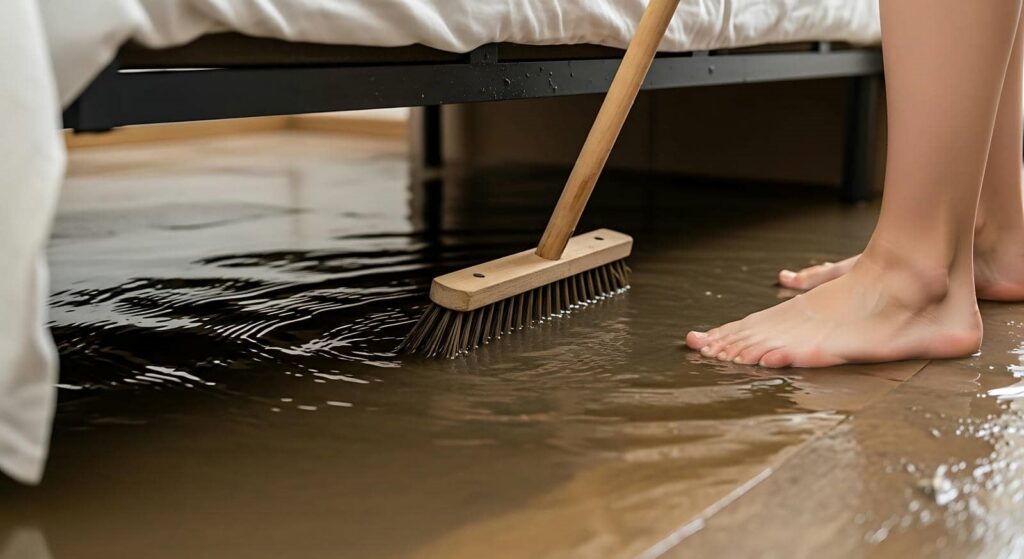
In an emergency, water can be both a life-saver and a destructive force. You need to act quickly and strategically to minimize damage and secure safety. Understanding how to assess the situation, choose the right emergency water extraction equipment, and implement effective techniques is vital. But what are the specific steps you should take to ensure a successful water extraction process? Let’s explore the essential tips that can make all the difference.
Key Takeaways
- Identify and stop the source of water to prevent further damage before beginning extraction efforts.
- Use high-capacity pumps and wet/dry vacuums for efficient and thorough water removal.
- Wear appropriate personal protective equipment (PPE) to safeguard against contaminants and hazards.
- Implement drying techniques, such as air movers and dehumidifiers, to prevent mold growth after extraction.
- Consider hiring professionals for a comprehensive assessment to ensure safety and effective restoration.
How to Assess the Situation Before Water Extraction
Before you start the water extraction process, it’s crucial to evaluate the situation thoroughly to guarantee safety and effectiveness.
Begin with water source identification; determine where the water is coming from to prevent further damage. This may involve checking for leaks, broken pipes, or flooding.
Once you’ve identified the source, conduct a damage extent evaluation. This means evaluating how much water has infiltrated the area and its potential impact on structures and belongings.
Look for structural damage, mold growth, and electrical hazards. By understanding the full scope of the situation, you’ll make informed decisions about the best extraction methods, ensuring you protect both yourself and your environment.
Taking these steps fosters a sense of belonging to a community that values safety and preparedness.
Stay Safe: Tips for Water Removal
Before you start removing water, assess any safety hazards in the area, such as electrical risks or structural instability.
Make certain you use proper equipment, including pumps and protective gear, to minimize your exposure to dangerous conditions.
Prioritizing safety will guarantee a more effective and secure water removal process.
Assess Safety Hazards First
As you prepare to tackle water removal, it’s essential to assess potential safety hazards first.
Begin with hazard identification to pinpoint risks like electrical issues from submerged outlets or unstable structures weakened by water. Guarantee you’re wearing appropriate personal protective equipment (PPE), including gloves and boots, to minimize risks.
Pay attention to slip hazards, as wet surfaces can be treacherous. If the water is contaminated, additional safety precautions like masks may be necessary.
Keep your workspace well-ventilated and be wary of mold growth, which can develop quickly in damp conditions.
Use Proper Equipment
Using the right equipment is vital for effective water extraction, especially when dealing with potentially hazardous conditions. Invest in high-capacity pumps, industrial wet/dry vacuums, and moisture meters to guarantee thorough removal. These tools help you tackle water efficiently, minimizing damage and health risks.
Regular equipment maintenance is essential. Before starting, check for any wear and tear, and verify that all devices are functioning properly. This reduces the risk of equipment failure during critical moments.
Additionally, wear personal protective gear, such as gloves and masks, to safeguard yourself from contaminants. By using the right tools and maintaining them well, you not only enhance your efficiency but also create a safer environment for yourself and those around you during the water extraction process.
Choose the Right Equipment for Effective Water Extraction
Choosing the right equipment is vital for efficient water extraction.
You’ll need to take into account the types of water pumps available, essential drying equipment, and necessary safety gear to protect yourself during the process.
Understanding these elements will guarantee you tackle the situation effectively and safely.
Types Of Water Pumps
When you face a water extraction emergency, selecting the right type of water pump is essential for effective results.
Submersible pumps are ideal for situations where water is deep, as they can operate underwater, providing powerful extraction without much hassle. They’re compact and often more efficient for residential use.
On the other hand, centrifugal pumps are better suited for shallow water applications. They utilize a spinning mechanism to move water, making them effective for larger volumes.
Understanding your specific needs will help you choose the right pump. Whether you opt for submersible or centrifugal, each type plays a critical role in ensuring you restore your space efficiently and safely.
Choose wisely, and you’ll achieve the best results in your emergency.
Essential Drying Equipment
After selecting the right water pump for your situation, the next step involves employing the appropriate drying equipment to guarantee thorough water extraction and prevent further damage.
Choosing the right dehumidifier is vital; it’ll reduce humidity levels effectively, aiding in faster drying. Look for units with sufficient capacity for your space to secure peak performance.
Additionally, understanding air mover types is essential. High-velocity fans are ideal for quick airflow, while low-profile models can fit in tighter spaces.
Position these strategically to maximize air circulation, targeting wet areas directly. Combining effective dehumidifier selection with the right air mover types will greatly enhance your drying process, helping you restore your environment more efficiently.
Safety Gear Necessities
Whether you’re dealing with minor leaks or significant flooding, having the right safety gear is essential for effective water extraction.
Start by wearing protective clothing, like waterproof overalls and boots, to shield yourself from contaminants and potential hazards. These garments not only keep you dry but also provide a barrier against chemicals or sharp objects in the water.
Don’t forget to equip yourself with safety goggles; they’ll protect your eyes from debris and splashes. A sturdy pair of gloves is equally important, offering grip and safeguarding your hands from injuries.
By investing in appropriate safety gear, you enhance not just your personal safety, but also guarantee a more efficient water extraction process.
What Are the Best Techniques for Efficient Water Removal?
Efficient water removal requires a strategic approach that combines various techniques to guarantee swift and thorough extraction.
Start by using powerful pumps as your primary water removal technique; submersible pumps are particularly effective for large volumes. For smaller areas, wet/dry vacuums can complement these efficient extraction methods.
Don’t overlook the importance of mopping and squeegeeing to remove residual water, ensuring all surfaces are addressed. Additionally, utilize fans and dehumidifiers afterward to expedite the drying process.
Always remember to monitor moisture levels with a hygrometer; this will help you determine when the area is completely dry.
Best Practices for Drying and Dehumidifying After Water Extraction
Once you’ve successfully extracted water, it’s crucial to focus on drying and dehumidifying the affected area to prevent further damage.
Start by employing effective drying methods, such as using high-velocity air movers to circulate air and speed up evaporation. Position these devices strategically to guarantee maximum coverage.
Combine this with dehumidification techniques like using industrial dehumidifiers to lower humidity levels, which prevents mold growth and structural issues.
Monitor moisture levels regularly with a hygrometer, adjusting your equipment as needed. Additionally, open windows and doors to enhance airflow, but be cautious of outdoor humidity.
When to Call in the Professionals for Water Extraction
How can you determine when it’s time to call in professionals for water extraction? If the water damage exceeds a few inches, or if it’s been lingering for more than 24 hours, it’s essential to seek professional services.
Mold growth can begin within this timeframe, posing health risks. Additionally, if you’re unsure about the extent of the damage or if the water is contaminated, don’t hesitate to contact experts.
They provide emergency response teams equipped with advanced tools to handle significant water issues effectively. Also, if structural integrity is a concern, only professionals can assess and mitigate further risks.
Trusting experts guarantees a thorough restoration process, giving you peace of mind and safeguarding your home.
Frequently Asked Questions
What Should I Do if I Can’t Stop the Water Source?
If you can’t stop the water source, implement emergency measures immediately. Turn off electricity in affected areas, move valuables to higher ground, and contain the flow with barriers while seeking professional help to address the situation.
How Long Does the Water Extraction Process Usually Take?
Water extraction’s duration varies, often taking hours to days. Think of it like a sponge: the more you squeeze, the faster you remove water. Efficient water removal speeds up the entire extraction process, ensuring timely recovery.
Can I Extract Water Without Professional Help?
Yes, you can extract water without professional help. Utilize DIY techniques like wet vacuums and dehumidifiers, and gather essential tools such as mops, buckets, and fans to effectively manage the situation and restore your space.
What Are the Health Risks Associated With Water Extraction?
You face several health risks during water extraction, including mold growth and exposure to contaminated water. These hazards can lead to respiratory issues and infections, so it’s essential to protect yourself with proper gear and precautions.
How Can I Prevent Future Flooding in My Home?
To prevent future flooding, guarantee your drainage systems are clear and functional; about 60% of homes experience water damage. Installing sump pumps can efficiently manage excess water, protecting your space and enhancing your peace of mind.
Final Thoughts
In summary, effective emergency water extraction is essential to prevent long-term damage. Did you know that nearly 50% of home damage from water occurs within the first 24 hours? By following the outlined strategies assessing the situation, ensuring safety, using the right equipment, and implementing proper drying techniques you can greatly mitigate damage. If the situation seems overwhelming, don’t hesitate to call in professionals who can provide the expertise needed for thorough restoration and peace of mind.