
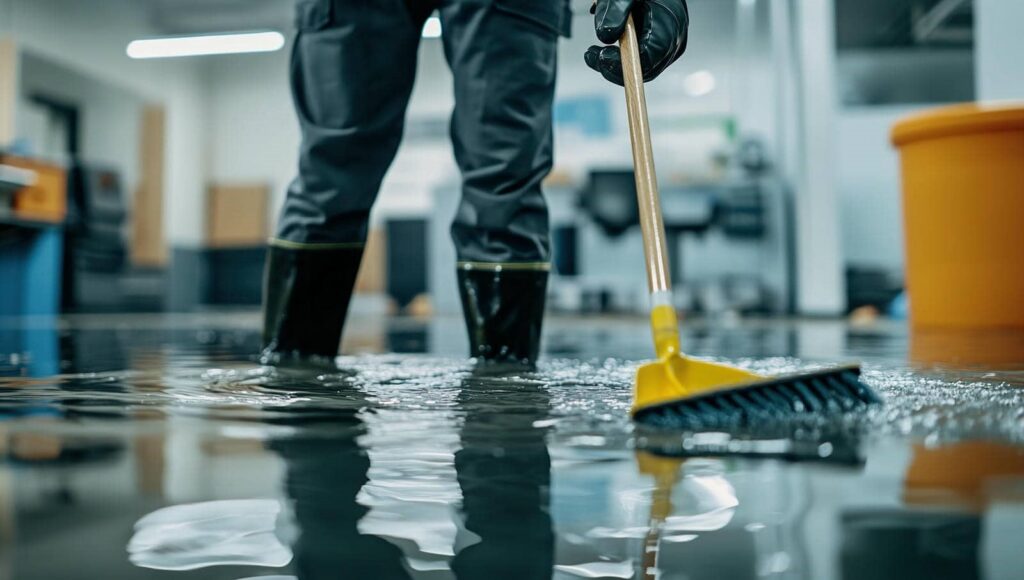
When it comes to emergency water extraction coverage, understanding your insurance policy is essential. Not all incidents are treated equally, and the specifics can vary widely. You might think you’re covered for any water damage, but exclusions often apply. Knowing what situations are included and how to navigate the claims process can make a significant difference. Let’s explore the nuances of water extraction coverage and what you need to take into account for effective recovery.
Key Takeaways
- Water extraction coverage varies by policy, so understanding specific terms is crucial for effective claims.
- Commonly covered situations include flood damage and pipe bursts, but gradual leaks may be excluded.
- Documenting damage with photos and receipts strengthens your claim and sets realistic expectations.
- Timely reporting and proactive communication with your insurance adjuster can significantly enhance claim success.
- Not all water damage is covered, and some policies have exclusions, so clarity on limits is essential.
What You Need to Know About Emergency Water Extraction Coverage
When unexpected water damage strikes your home, understanding emergency water extraction coverage can greatly affect your recovery process.
Many insurance policies vary regarding what they cover, so it’s essential to know the specifics of yours. Water extraction often involves removing excess water from carpets, walls, and other structures, which can save your home from further damage.
Check if your policy includes this important service and under what circumstances. Some policies may only cover water extraction resulting from specific incidents like burst pipes, while others might exclude certain types of damage.
Familiarizing yourself with these details allows you to make informed decisions and ensures you’re prepared for the unexpected, providing peace of mind during stressful times.
Water Extraction Coverage: What Situations Are Included?
Understanding the specifics of your water extraction coverage helps you navigate potential claims effectively. Typically, your policy covers situations like flood damage resulting from heavy rains or overflowing rivers.
It’s essential to determine if your area is prone to such risks, as this influences your coverage limits. Additionally, coverage often includes incidents like a pipe burst, which can cause significant damage to your home.
Make sure you document any water-related incidents immediately, as timely reporting can affect your claim’s success. Familiarize yourself with any exclusions in your policy, such as gradual leaks, which may not be covered.
Essential Factors for a Successful Water Damage Insurance Claim
To ensure a successful water damage insurance claim, it’s essential to pay attention to several key factors throughout the process.
First, ascertain thorough claim documentation. This includes taking detailed photographs of the damage, collecting receipts for repairs, and keeping records of communication with your insurer. Each piece of documentation strengthens your case.
Next, understand your policy limits; knowing what’s covered and the maximum payout can help set realistic expectations. If your damages exceed these limits, you may face financial setbacks.
Finally, act quickly to report the damage and mitigate further issues, as delays can jeopardize your claim.
Filing a Successful Water Extraction Claim
Filing a successful water extraction claim hinges on your ability to present a clear and compelling case to your insurer. Start by thoroughly understanding the claim process.
Document every detail, including photos of the damage and a written account of events leading to the water extraction. Keep receipts for all repairs and services related to the incident.
Use these documentation tips to create a robust claim package that highlights your losses. Be proactive in communicating with your insurance adjuster, providing any additional information they request promptly.
This speeds up the process and demonstrates your commitment to resolving the matter. Remember, clarity and organization are key to maneuvering through this challenging situation effectively.
Common Myths About Water Extraction Coverage
What misconceptions might you have about water extraction coverage? Many believe that all water damage is automatically covered by their insurance, but this isn’t always true. Some policies exclude certain types of water damage, especially from flooding.
Another common myth is that you don’t need to file a claim if the damage seems minor. Even small issues can escalate, leading to costly repairs.
You might also think that insurance companies will cover the full cost of extraction, but many policies involve deductibles or limits.
Frequently Asked Questions
How Quickly Must I Report Water Damage to My Insurance Company?
You should report water damage to your insurance company immediately. Timing’s essential; delays can lead to damage escalation, complicating your claim. Acting quickly helps ensure coverage and minimizes potential losses, fostering peace of mind.
Will My Policy Cover Mold Growth After Water Extraction?
Most homeowners face mold issues within 24-48 hours after water damage. Your policy might cover mold remediation, but be wary of insurance exclusions. Always review your coverage details to understand your specific situation.
Are There Limits on the Amount I Can Claim for Water Damage?
Yes, there are often water damage limits in your policy. During the insurance claim process, review your coverage details to understand how much you can claim, ensuring you’re adequately protected against potential losses.
Does My Deductible Apply to Water Extraction Claims?
Deductible duties definitely dictate your claim process. If your policy includes a deductible, it applies to water extraction claims. Confirm you understand these deductible implications for a smoother, successful claim experience. You’re not alone in steering through this!
Can I Choose My Own Contractor for Water Extraction Services?
You can choose your own contractor for water extraction, but your insurance policy stipulations might require you to follow a contractor approval process. Always check with your insurer to verify compliance and avoid complications.
Final Thoughts
In the domain of water damage, “an ounce of prevention is worth a pound of cure.” Understanding your emergency water extraction coverage can save you from unforeseen headaches. By knowing what’s included and gathering essential documentation, you position yourself for a smoother claims process. Don’t let myths cloud your judgment; being informed is your best defense. Stay proactive, review your policy, and make certain you’re prepared when water damage strikes. Your home’s safety depends on it.