
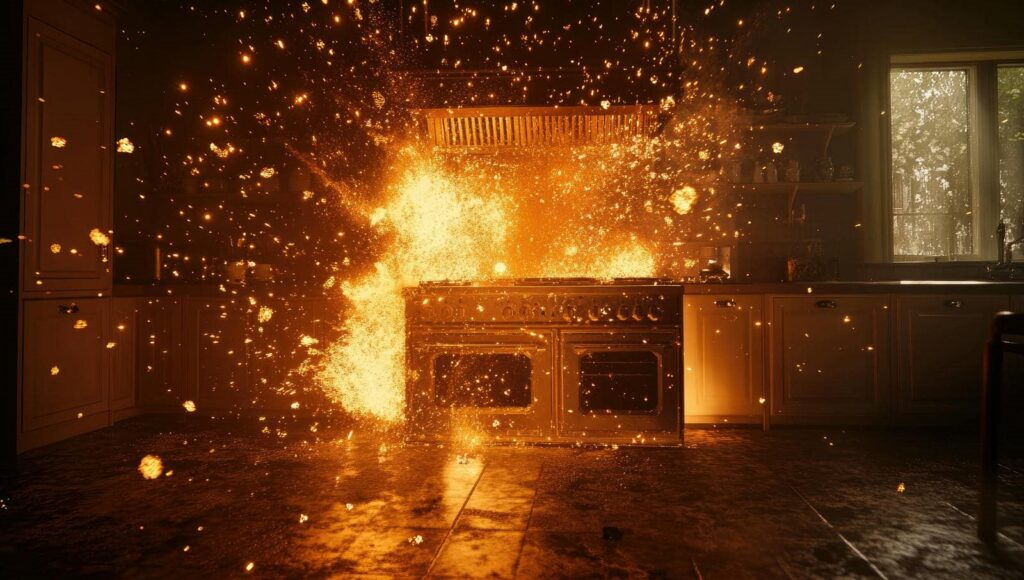
Did you know that nearly 350,000 homes catch fire in the U.S. each year? After experiencing such a devastating event, it’s essential to approach fire damage restoration with a structured plan. You need to assess the damage carefully and prioritize safety above all. Understanding the steps involved can make a significant difference in your recovery journey. Let’s explore how to effectively navigate this challenging process together.
Key Takeaways
- Prioritize safety by wearing protective gear and assessing structural integrity before entering the fire-damaged area.
- Document the damage thoroughly with photos and notes for insurance claims and restoration planning.
- Engage fire damage restoration professionals for expert assessment and effective recovery techniques.
- Clean and deodorize affected areas using appropriate agents while ensuring proper ventilation throughout the space.
- Understand restoration costs and communicate openly with contractors to ensure quality rebuilding and adherence to safety standards.
Assessing Fire Damage: First Steps to Take
When you’re faced with the aftermath of a fire, evaluating the damage quickly and thoroughly is crucial for effective restoration.
Start your fire damage assessment by ensuring your safety and that of others around you. Before entering the space, check for structural hazards like weakened walls or exposed electrical wiring. Wear protective gear to shield yourself from soot and debris.
Once it’s safe, document the damage with photos and notes, focusing on affected areas like walls, ceilings, and personal belongings. Prioritize items that may be salvageable, as this will guide your next steps.
Knowing your space is imperative, and taking these initial safety precautions can help you feel more secure as you begin the recovery process.
How to Stay Safe Before You Start Cleaning Up?
After evaluating the fire damage, your safety remains a top priority before you start any cleanup.
Make sure you wear protective gear, including gloves, masks, and goggles, to shield yourself from harmful particles.
Check for structural stability; if walls or ceilings are compromised, avoid entering those areas.
Turn off utilities like gas and electricity to prevent further hazards.
Keep a fire extinguisher nearby, reinforcing your fire safety measures.
It’s also wise to have a first-aid kit and a flashlight on hand.
Remember, emergency preparedness doesn’t just apply to the moment of crisis; it’s essential throughout the recovery process.
Take a moment to breathe, and don’t hesitate to seek help if you feel overwhelmed.
Your well-being matters.
Contacting Fire Damage Restoration Professionals
Since fire damage can lead to hidden dangers and complex restoration needs, contacting fire damage restoration professionals is essential for a thorough recovery.
These experts provide an extensive fire restoration service, ensuring that every aspect of the damage is addressed. They’ll conduct a professional assessment to identify structural issues, smoke damage, and potential health hazards.
Their technical expertise allows them to utilize advanced techniques and equipment to mitigate further damage and restore your home effectively.
By choosing professionals, you not only gain peace of mind but also a sense of belonging to a community that understands your struggles.
Trust in their compassionate guidance as they help you navigate this challenging time and work towards reclaiming your safe space.
Documenting Damage for Insurance Purposes
Documenting damage after a fire is essential for securing insurance claims and ensuring you receive the compensation you deserve.
Start by creating a detailed damage inventory, listing all affected items and areas. Use your smartphone or camera to take clear photographs of the damage from multiple angles. This visual evidence will support your claims process.
Be thorough; include structural damage, personal belongings, and any valuable items. Keep receipts and records of any repairs or replacements, as these will further validate your claim.
Stay organized and maintain a timeline of events, as insurers may require specific information.
Next Steps: Removing Burnt Debris and Salvaging Important Items
Once you’ve documented the damage, it’s time to assess the fire-affected area carefully.
Prioritize which items can be salvaged, focusing on those that hold significant emotional or monetary value.
This step is vital for both your recovery and the restoration process, ensuring you save what matters most.
Assessing Fire Damage Area
Evaluating the fire damage area is essential for effective restoration, and you should start by carefully examining each room to identify the extent of the destruction.
A thorough fire damage inspection and smoke residue assessment are vital steps in this process. Here’s how to approach it:
Inspect walls, ceilings, and floors for charred materials and structural integrity.
Check for smoke damage and residue, noting areas that require specialized cleaning.
Identify potential safety hazards, such as unstable structures or electrical issues.
Document all findings with photographs and notes to assist in the restoration process.
Prioritizing Salvageable Items
Prioritizing salvageable items is essential in the aftermath of a fire, as it can greatly affect both the emotional recovery and the overall restoration process.
To begin, conduct a thorough item evaluation, evaluating each item’s condition and sentimental value. Focus on establishing a salvage priority, identifying items that hold significant emotional connections, like family photos or heirlooms.
As you sift through the debris, remember that some items may be cleaned or restored rather than discarded. Work closely with professionals who can help determine what can be saved.
This careful approach not only aids in the restoration but also provides a sense of hope and belonging during a challenging time. Your treasured possessions deserve the best chance at recovery.
Cleaning and Deodorizing Affected Areas
Once you’ve assessed the severity of the damage, it’s essential to select the right cleaning agents to effectively address soot and smoke residue.
Different surfaces require specific products to avoid further damage while ensuring thorough cleaning.
Assessing Damage Severity
As you begin evaluating the severity of fire damage, it’s crucial to recognize that effective cleaning and deodorizing can greatly impact the restoration process.
A thorough damage assessment will help you understand the extent of the destruction. Here are four key steps for severity evaluation:
Inspect Structural Elements: Check walls, ceilings, and floors for charring or warping.
Evaluate Contents: Look at furniture and belongings for soot or smoke damage.
Identify Odors: Notice any lingering smoke smells that indicate deeper issues.
Consider Air Quality: Assess ventilation and air filtration systems for contamination.
Taking these steps will guarantee you address the most critical areas, fostering a sense of safety and belonging as you work toward restoring your environment.
Choosing Appropriate Cleaning Agents
Selecting the right cleaning agents is essential for effectively restoring areas affected by fire damage. You’ll want to choose cleaning products specifically designed to tackle soot, smoke residue, and lingering odors.
Look for well-reviewed options that emphasize chemical safety, ensuring they’re both effective and safe for your environment. Always read labels and follow instructions carefully, as improper use can exacerbate damage or create hazards.
Remember, it’s vital to test any product in a small, inconspicuous area first. This way, you can assess its effectiveness without risking further harm.
Managing Water Damage From Firefighting
Although firefighting efforts are essential for saving lives and property, they often leave behind significant water damage that must be addressed promptly.
To effectively manage this water damage, follow these steps:
Water Extraction: Quickly remove standing water using pumps and wet vacs to minimize further damage.
Moisture Control: Use dehumidifiers and fans to reduce humidity levels, preventing mold growth.
Surface Drying: Confirm all surfaces, including walls and floors, are dried thoroughly to stave off lingering moisture.
Monitor Progress: Regularly check moisture levels with a hygrometer to confirm effective drying.
Repairing Structural Damage After a Fire
Repairing structural damage after a fire requires meticulous attention to detail and a systematic approach to secure safety and integrity.
Begin by evaluating the extent of the damage, focusing on key areas like beams, walls, and foundations. You’ll want to engage professionals who understand structural integrity to assure your home can withstand future challenges.
During the rebuilding process, prioritize using quality materials that meet local building codes, as this enhances safety and durability.
Additionally, maintain open communication with your contractors, ensuring they understand your vision and concerns.
Preventing Future Fires: Essential Safety Tips
Once you’ve addressed the structural damage from a fire, your focus should shift to preventing future incidents.
Prioritizing fire safety is vital for your peace of mind and the well-being of your loved ones.
Here are four essential tips to enhance your fire prevention efforts:
Install smoke detectors: Place them in every room and test them monthly to guarantee they function properly.
Create an escape plan: Designate two exit routes from each room and practice the plan regularly.
Avoid overloading outlets: Distribute electrical devices evenly across circuits to prevent overheating.
Store flammable materials safely: Keep them in a cool, dry place away from heat sources.
Understanding Fire Damage Restoration Costs
When you face the aftermath of a fire, understanding the costs associated with restoration can feel overwhelming.
Fire restoration costs can vary considerably based on damage severity, the size of your property, and materials involved. You’ll want to get an estimate from a professional to gauge the financial commitment needed.
It’s crucial to check your insurance coverage, as many policies can help offset these expenses. If you find yourself unsure, don’t hesitate to contact your insurance agent for clarity. They can guide you through the claims process and help you understand what’s covered.
You’re not alone in this; many have navigated these challenges and emerged stronger, with their homes restored and lives rebuilt.
Frequently Asked Questions
How Long Does Fire Damage Restoration Typically Take?
Fire damage restoration typically takes a few days to several weeks, depending on the extent of the damage. A thorough fire damage assessment helps establish a clear restoration timeline, ensuring you’re informed and supported throughout the process.
Can I Live in My Home During Restoration?
You can’t live in your home during restoration; it’s as unsafe as dancing on a volcano. Consider temporary housing to guarantee your safety while professionals restore your home to its former glory and comfort.
Will My Insurance Cover All Restoration Costs?
Your insurance may cover restoration costs, but it depends on your policy’s specifics. Review your coverage details carefully and follow the claim process diligently to guarantee you receive the support you need during this challenging time.
What Types of Fires Cause the Most Damage?
Kitchen fires and electrical fires cause the most damage, often due to their rapid spread and intense heat. Understanding these risks helps you take preventive measures, ensuring your home and loved ones remain safe and protected.
How Can I Prevent Smoke Damage to My Belongings?
To prevent smoke damage to your belongings, use smoke prevention tips like sealing items in airtight containers, maintaining proper ventilation, and installing smoke detectors. Regularly check these systems to guarantee your possessions remain protected and safe.
To Sum Up
In the wake of a fire, steering through the restoration process can feel overwhelming. However, by taking informed steps and enlisting professional help, you can gently mend the scars left behind. Prioritize safety, document diligently, and address both visible damage and hidden concerns. With careful planning and a compassionate approach, you’ll not only restore your space but also foster resilience against future incidents. Remember, each step taken is a stride towards reclaiming your home and peace of mind.