
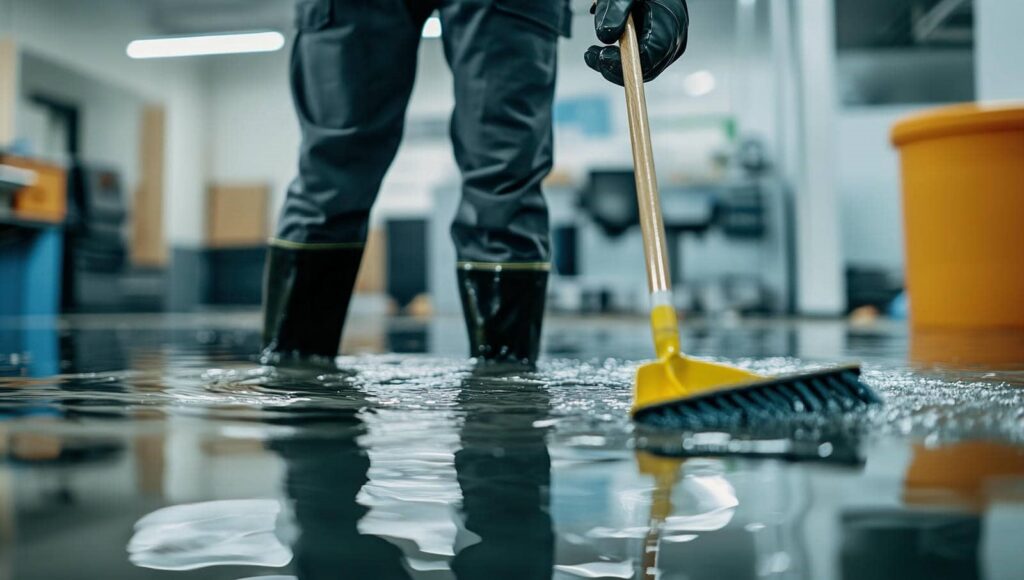
Many homeowners underestimate the financial impact of water damage emergencies, which can quickly escalate into costly repairs. Emergency water extraction insurance is designed to cover immediate costs associated with these incidents, such as professional water removal and restoration. However, you might be surprised by what it actually covers and the potential exclusions that could affect your claim. Understanding these details is essential to ensure you’re adequately protected when the unexpected occurs.
Key Takeaways
- Emergency water extraction insurance covers immediate response costs for professional water removal and property restoration due to water damage emergencies.
- It protects against various types of water damage, including flood damage from heavy rainfall and sewage backup incidents.
- The insurance aims to prevent further destruction and mold growth, ensuring a healthier living environment.
- Coverage may not include damage from neglect, gradual leaks, or natural disasters like earthquakes, requiring a review of the policy’s exclusions.
- Policyholders should document damage thoroughly, notify the insurance company promptly, and understand their coverage before filing a claim.
What Exactly Is Emergency Water Extraction Insurance?
Emergency water extraction insurance is a specialized coverage designed to protect property owners from the financial burden of water damage emergencies. This type of insurance focuses on the immediate response needed to mitigate damage caused by water intrusion.
When you encounter a flooding issue, water extraction is essential to prevent further destruction and mold growth. The insurance benefits include coverage for the costs associated with hiring professionals to remove water, repair damages, and restore your property to its original state.
What Types of Water Damage Are Covered?
When it comes to water damage, understanding what types are covered under your emergency water extraction insurance is crucial for effective risk management. Typically, this insurance covers incidents like flood damage, which could arise from heavy rainfall or natural disasters. It ensures that your property is protected against costly repairs and restoration efforts following such events.
Additionally, sewage backup is often included, addressing the serious issues that arise when wastewater infiltrates your home. This coverage safeguards your property and helps maintain a healthy living environment.
What Exclusions to Expect in Your Water Extraction Insurance?
What exclusions should you be aware of in your water extraction insurance? Understanding these exclusion examples is important for effective coverage.
Common policy limitations often include damage from neglect or gradual leaks, as insurers typically expect homeowners to maintain their properties. Flood damage might also be excluded unless you have separate flood insurance, which is crucial in certain areas.
Additionally, damage caused by natural disasters like earthquakes can fall outside standard coverage. It’s important to review your policy carefully to identify these exclusions, ensuring you’re not caught off guard during a claim.
Being informed empowers you to secure the coverage you truly need, fostering a sense of belonging in your community through responsible homeownership.
Filing a Water Extraction Insurance Claim
How can you effectively navigate the process of filing a water extraction insurance claim? Understanding the steps involved can make a significant difference in your experience.
First, document the water damage thoroughly—take photos and keep records of any related expenses.
Next, notify your insurance company promptly, providing them with all necessary information.
Finally, be proactive in following up on your claim status.
- Gather evidence of damage and expenses.
- Understand your policy’s coverage and exclusions.
- Communicate openly with your insurance adjuster.
Determining the Right Coverage Amount for Your Water Damage Insurance
Determining the right coverage amount for your water damage insurance can feel overwhelming, but it’s vital for protecting your home and finances.
Start by evaluating your property’s value and the potential cost of repairs or replacements. Research common coverage limits in your area and consider any unique risks, like flooding or pipe bursts.
It’s important to review your policy regularly and make necessary policy adjustments to ensure you’re adequately covered. Keep in mind that underinsuring can lead to significant out-of-pocket expenses during a claim.
Tips for Choosing the Best Water Extraction Insurance Policy
When choosing a water extraction insurance policy, you need to assess coverage options thoroughly to ensure they meet your specific needs.
Additionally, comparing policy premiums effectively will help you find a balance between cost and extensive protection.
Assess Coverage Options Thoroughly
Steering through the complexities of water extraction insurance requires a careful examination of your coverage options.
To make an informed decision, consider the following aspects:
Coverage Limits: Make sure you understand the maximum amount your policy will pay for water extraction services.
Policy Options: Review different policies to determine which covers specific water damage scenarios, such as flooding or burst pipes.
Additional Endorsements: Look for optional add-ons that may enhance your coverage, like mold remediation or replacement of damaged property.
Compare Policy Premiums Effectively
After thoroughly evaluating your coverage options, it’s time to focus on comparing policy premiums to find the best fit for your needs.
Start by conducting a detailed policy comparison among different insurers. Gather quotes and analyze the premiums in relation to the coverage offered. Pay attention to deductibles, coverage limits, and any additional benefits that may impact your overall costs.
Remember, the lowest premium doesn’t always mean the best value; consider what each policy covers. A premium analysis is crucial to identify potential gaps in coverage that could lead to unexpected expenses.
Understanding the Claims Process for Water Extraction Insurance
Understanding the claims process for water extraction insurance is essential, especially since timely and accurate submission can greatly influence the outcome.
To successfully navigate this process, you should focus on the following key aspects:
Gather claims documentation: Collect all necessary evidence, including photos, invoices, and repair estimates.
Review policy limitations: Familiarize yourself with your policy’s specific coverage and exclusions to set realistic expectations.
Submit your claim promptly: Make sure you file your claim as soon as possible to avoid delays in processing.
Frequently Asked Questions
How Quickly Must I File a Claim After Water Damage Occurs?
You should file your claim as soon as possible after water damage occurs, ideally within the time limits set by your policy. This ensures a smoother claim process and better chances for coverage.
Will My Regular Home Insurance Cover Water Extraction Services?
Your regular home insurance might cover water extraction services, but it varies by policy. Explore your insurance details like a detective; examine coverage for water damage closely to understand your financial safety net.
Are There Any Deductibles for Water Extraction Insurance Claims?
Yes, there’re often deductible amounts for water extraction insurance claims. Your claim eligibility may depend on your policy specifics, including the deductible you selected. It’s crucial to review your coverage details for clarity and understanding.
Can I Choose My Own Water Extraction Service Provider?
While you’re managing the aftermath of water damage, you can choose your own water extraction service provider. Just confirm they meet your insurer’s criteria to ensure reimbursement aligns with your policy’s guidelines.
Does Emergency Water Extraction Insurance Cover Mold Remediation?
Emergency water extraction insurance typically doesn’t cover mold remediation directly. You should review your insurance policy details for mold prevention strategies. Taking proactive measures can help minimize mold risks and ensure better coverage options in the future.
Review
In the face of unexpected water emergencies, having emergency water extraction insurance can be your safety net. But what if you’re caught off guard, with costly repairs looming? Understanding your coverage and the claims process is essential—after all, every detail matters when the stakes are high. Don’t leave your property’s safety to chance. As water damage can escalate quickly, ensuring you have the right policy in place today could mean the difference between recovery and disaster tomorrow.