
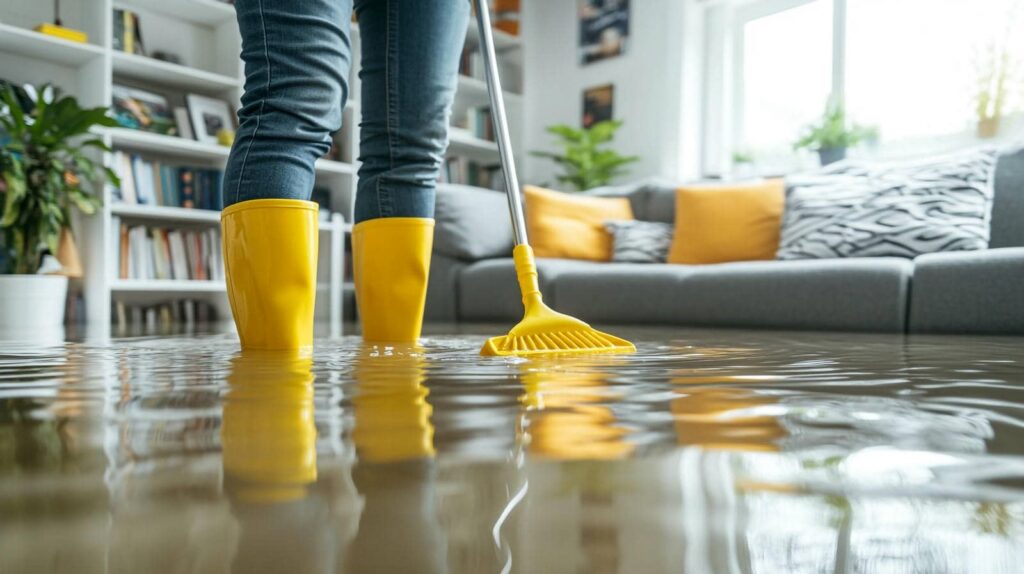
When faced with unexpected water damage, understanding your emergency water extraction insurance coverage is crucial. This specialized policy can alleviate the financial strain of removal and drying costs, but it often comes with specific exclusions. You might find that certain types of damage, like flooding or mold, aren’t covered. Being aware of these nuances can make a significant difference in your financial protection. But what should you consider when evaluating your options?
Key Takeaways
- Emergency water extraction insurance provides coverage for unforeseen water-related events, focusing on immediate removal and drying of excess water.
- Policies typically exclude flood damage, mold coverage, and negligence-related claims; understanding these exclusions is vital.
- When choosing a policy, evaluate your specific needs and potential risks to ensure adequate protection against water damage.
- Reviewing coverage limits, deductibles, and specific policy details can prevent unexpected gaps in protection and financial burdens.
- Costs associated with water extraction claims vary based on damage severity, location, and type of water involved; being aware of these factors is crucial.
What Is Emergency Water Extraction Insurance?
Emergency water extraction insurance is a specialized policy designed to cover the costs associated with removing excess water from your property due to unforeseen events like flooding, burst pipes, or sewage backups.
This type of insurance protects you from significant financial burdens resulting from water damage, which can lead to extensive repairs and health hazards if not addressed promptly.
Unlike standard insurance policies, emergency water extraction insurance specifically targets the immediate need for extraction and drying, ensuring that your property is safeguarded against further deterioration.
It’s crucial to understand the coverage limits and exclusions of your policy, as well as any deductibles, to ensure your financial readiness in the event of a water-related disaster.
How to Successfully File a Water Damage Insurance Claim?
How can you navigate the complexities of filing a water damage insurance claim effectively? Start by gathering thorough claim documentation. This includes photographs of the damage, repair estimates, and any relevant receipts. The more detailed your documentation, the stronger your claim will be.
Next, conduct a damage assessment to determine the extent of the loss. This step is essential, as it helps you understand what’s covered under your policy.
After you’ve compiled your information, reach out to your insurance adjuster promptly. Clearly communicate your findings and provide organized documentation.
Stay proactive throughout the process, following up as needed. By being detailed and organized, you increase your chances of a successful claim and foster a sense of belonging within the insurance community.
Key Exclusions to Watch for in Water Extraction Insurance
While water extraction insurance can provide essential support during a crisis, it’s important to be aware of key exclusions that could impact your coverage.
Many policies exclude flood damage, which means if your property suffers from a flood, you may not receive compensation for the extraction and recovery process.
Additionally, mold coverage is often limited or completely excluded, leaving you vulnerable if mold develops after water damage occurs.
Some policies may also exclude damage from negligence or maintenance issues, so it’s vital to understand the specifics of your coverage.
Carefully reviewing your policy will help ensure you’re not caught off guard when you need assistance the most.
Staying informed about these exclusions fosters a sense of security in your insurance decision.
How to Choose the Best Water Damage Insurance for You
When selecting the best water damage insurance, what factors should you consider to ensure complete coverage? Start by evaluating your specific needs and the potential risks in your area, such as flooding or plumbing issues.
Review policy options that include thorough coverage for various water damage scenarios, ensuring it addresses both sudden incidents and gradual leaks. Pay attention to the deductibles and coverage limits, as these directly impact your financial responsibility during a claim.
Additionally, check for any exclusions that could leave you vulnerable. It’s essential to compare multiple insurers and their offerings to find a policy that aligns with your requirements.
Costs of Water Extraction Claims
Costs associated with water extraction claims can vary greatly based on several factors, making it essential to understand what influences these expenses.
When managing the claim process, consider:
Severity of Water Damage: More extensive damage necessitates advanced extraction techniques, increasing costs.
Location and Accessibility: If your property is hard to reach or in a remote area, you might face higher service fees.
Type of Water Involved: Clean, gray, or black water each requires different treatment approaches, affecting overall expenses.
Frequently Asked Questions
Does Emergency Water Extraction Cover Mold Remediation Costs?
Emergency water extraction typically doesn’t cover mold remediation costs unless specified in your policy. You should review your coverage limits carefully, as mold growth can escalate quickly, leading to unforeseen expenses if not properly addressed.
Can I File a Claim for Previous Water Damage?
You can file a claim for previous water damage, but it often depends on your policy’s specifics. Review past claims carefully, as insurers may scrutinize them, impacting your chances of coverage for related damages.
Are Temporary Repairs Covered Under My Policy?
Temporary repairs might be covered under your policy, but it depends on the policy specifics. Review your coverage details or consult your insurer to clarify what’s included and ensure you meet any necessary requirements.
How Quickly Must I Report Water Damage for Coverage?
You must report water damage promptly, typically within 24 to 48 hours, to meet the reporting timeline for your insurance policy. Delaying might jeopardize your coverage, affecting your claim’s approval and potential payout.
Does My Location Affect My Water Extraction Insurance Coverage?
Yes, your location affects your water extraction insurance coverage. Different regions have unique location factors, leading to policy variations. It’s essential to review your policy details to understand how your area influences coverage and claims.
Wrap-Up
In the whirlwind of sudden water damage, emergency water extraction insurance can seem like your superhero sidekick, swooping in to save the day. But remember, not all policies are created equal, and overlooking exclusions could turn your hero into a villain. By choosing wisely and understanding your coverage, you’ll ensure that when disaster strikes, you won’t be left high and dry—figuratively speaking, of course. Stay informed, and you’ll navigate the flood of options like a pro!