
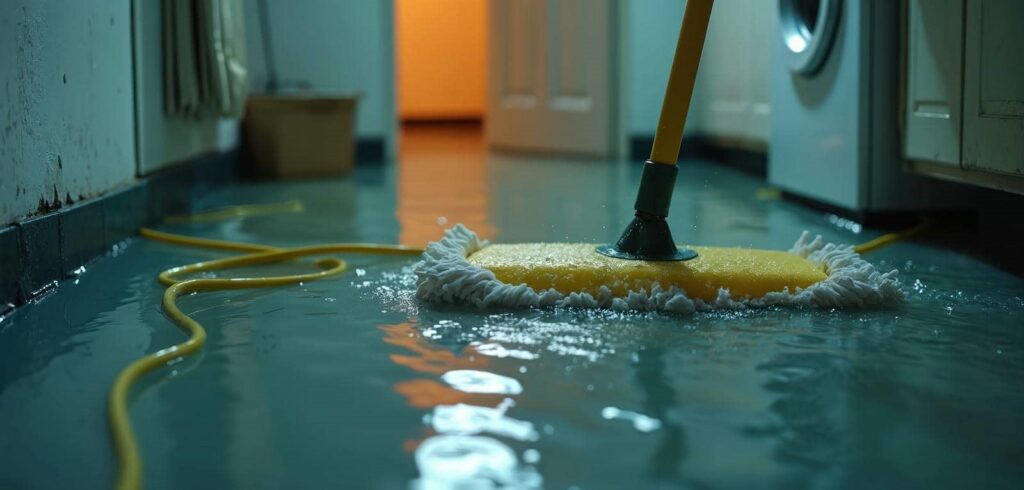
When a heavy storm flooded a local business, the owner faced immediate chaos and uncertainty. You need a clear plan to tackle such situations effectively. It’s crucial to prioritize safety, assess the commercial flood damage, and act swiftly to minimize further complications. By following best practices for flood damage cleanup, you can protect your property and ensure a smoother recovery. But what steps should you take first to safeguard your interests?
Key Takeaways
- Immediately assess and document damage with photos and written descriptions to support insurance claims and recovery planning.
- Prioritize personal safety by wearing appropriate gear and identifying hidden hazards in floodwaters before starting cleanup.
- Remove standing water quickly using pumps and wet vacuums, followed by thorough drying and disinfection to prevent mold growth.
- Engage a certified restoration service with a proven track record and quick response capabilities for effective recovery.
- Implement flood prevention strategies, such as installing barriers and improving drainage systems, to mitigate future risks.
Dealing With Flood Damage: Your Step-By-Step Guide
When dealing with flood damage, following a structured approach can make a significant difference in recovery. Start by reviewing your flood insurance policy; understanding your coverage helps you navigate the claims process effectively.
Next, document the damage thoroughly with photos and written descriptions to support your claim.
Reach out to a professional specializing in commercial restoration, as their expertise is essential in evaluating and mitigating damage. They can guide you through cleanup and repairs, ensuring safety and compliance with regulations.
Check the Damage and Decide What’s Most Important
After evaluating the initial impact of the flood, it’s important to check the damage methodically. Start with a thorough damage assessment, noting affected areas, items, and structural integrity.
This systematic approach helps you identify priority tasks that need immediate attention. Focus on significant elements, like electrical systems, plumbing, and any necessary equipment essential for business operations.
Document everything, as this will aid in insurance claims and recovery planning. Remember, it’s not just about what’s damaged; it’s about what’s crucial for your team’s safety and business continuity.
Ensure Safety Before Starting Cleanup
Before you plunge into cleanup, ensuring safety is essential, as floodwaters can carry hidden hazards.
First, equip yourself with appropriate safety gear—rubber boots, gloves, and masks are vital. These items protect you from contaminants and provide a barrier against injuries.
Hazard awareness is important; be on the lookout for sharp objects, slippery surfaces, and potential electrical issues. If you’re unsure about the safety of a specific area, don’t hesitate to consult professionals.
Evaluate Electrical and Structural Integrity First
As you begin the cleanup process, it’s vital to assess the electrical and structural integrity of your space.
Start with a thorough structural assessment to identify any damage to walls, floors, or ceilings. Look for signs of shifting or buckling that could compromise safety.
Next, prioritize electrical safety by checking for exposed wiring or damaged outlets. If you’re unsure, consult a licensed electrician to evaluate the system.
Document all findings meticulously, as this information will be significant for insurance claims and future repairs.
Remember, a careful assessment protects you and your team and ensures a smoother recovery for your business.
Taking these steps fosters a sense of security and belonging within your workspace during this challenging time.
Quickly Remove Standing Water
After ensuring the safety of your environment, it’s vital to act quickly and remove standing water to minimize damage.
Utilize proper equipment like pumps and wet vacuums, and always prioritize safety measures, such as wearing protective gear.
Acting promptly protects your property and helps prevent mold growth and further complications.
Use Proper Equipment
Swiftly removing standing water is vital in flood damage cleanup to prevent further structural damage and mold growth. To achieve this, you need to utilize the right equipment.
Flood pumps are your first line of defense, efficiently expelling large volumes of water from affected areas. Once the bulk of the water is removed, water extractors come into play, effectively handling residual moisture that can lead to mold issues.
It’s important to choose high-capacity and reliable models to ensure efficiency. Remember, using proper equipment speeds up the cleanup process and protects your property and health.
Prioritize Safety Measures
When dealing with flood damage, prioritizing safety measures is essential to protect both yourself and your property.
First, verify you’ve completed flood preparedness training, so you understand potential hazards. Before entering a flooded area, assess the environment for electrical risks and structural instability.
Quickly remove standing water using pumps or wet vacs, as stagnant water can harbor bacteria and mold. Always wear appropriate personal protective equipment, including gloves and boots.
If you’re uncertain about the safety of your workspace, consult professionals trained in flood recovery. Remember, your well-being is paramount; don’t take unnecessary risks.
Dry Affected Areas to Prevent Further Damage
As you begin the flood damage cleanup process, drying the affected areas is essential to preventing further damage and mold growth.
Start with water extraction to remove standing water, using pumps or wet vacuums for efficiency. After you’ve eliminated the bulk of the water, focus on moisture control.
This involves using dehumidifiers and fans to circulate air and lower humidity levels in the space. Pay special attention to hidden areas like behind walls and under carpets, as moisture can linger there.
Regularly monitor humidity levels to ensure your efforts are effective. By diligently drying the affected areas, you safeguard your property and foster a healthier environment for everyone who relies on that space.
Keep Mold Away by Disinfecting Surfaces
To keep mold at bay, you’ll need to disinfect surfaces effectively.
Focus on using appropriate disinfectants, especially in high-touch areas where moisture can linger.
This methodical approach protects your health and prevents further damage to your home.
Use Appropriate Disinfectants
Disinfecting surfaces is essential after a flood, especially since mold can develop rapidly in damp environments. To effectively combat this, you need to choose the right disinfectant types—such as bleach solutions, hydrogen peroxide, or commercial-grade products. Each type has its strengths, so read labels carefully to ensure they’re suitable for your surfaces.
When applying disinfectants, use proper application techniques: spray evenly, let the solution sit for the recommended time, and then wipe clean.
Don’t forget to wear protective gear to safeguard your health while working. By following these steps, you protect your property and create a safe environment for those who rely on it. Your diligence makes a difference in preventing mold and ensuring a healthier space for everyone.
Focus on High-Touch Areas
High-touch areas in your home, such as doorknobs, light switches, and countertops, require immediate attention after a flood.
These high-touch surfaces are breeding grounds for mold and bacteria if not cleaned properly. Implementing effective cleaning protocols is crucial to ensuring a safe environment for you and your loved ones.
Here are some essential steps to follow:
- Use EPA-approved disinfectants to kill pathogens.
- Wipe surfaces thoroughly to remove any residual moisture.
- Allow disinfectants to dwell for the recommended time for maximum effectiveness.
- Recheck areas regularly to prevent mold from returning.
How to Document Flood Damage for Your Insurance Claim?
Documenting flood damage for your insurance claim is critical to ensure you receive the compensation you deserve.
Start by taking clear, detailed photos of all affected areas, focusing on structural damage, personal property, and high-value items. Make certain to document water levels, mold growth, and any visible deterioration.
Create a thorough inventory list, noting each item’s condition and estimated value. Keep receipts for any emergency repairs or temporary accommodations; these are essential for the claim process.
Contact your flood insurance provider promptly, and follow their guidelines for documentation.
Choosing the Right Flood Restoration Service
When your home suffers flood damage, selecting the right restoration service can greatly impact your recovery process.
You’ll want a team that understands your unique needs and can efficiently restore your space. Here are some key points to evaluate during your service selection:
Experience: Look for a company with a proven track record in flood restoration.
Certification: Confirm they’ve the necessary certifications and training.
Response Time: Fast action is vital; choose a service that responds quickly.
Customer Reviews: Read testimonials to gauge their reputation and reliability.
Implement Prevention Strategies for Future Floods
While flood damage can be devastating, implementing effective prevention strategies can greatly reduce the risk of future incidents. Start by installing flood barriers around your property; these structures can effectively block incoming water, protecting your assets.
Additionally, assess and improve your drainage systems to ensure they can handle heavy rainfall. Regular maintenance of gutters, downspouts, and storm drains is essential.
Consider creating a thorough flood response plan that includes staff training and emergency contacts. Engage with your community to share knowledge and resources, fostering a sense of belonging among local businesses.
Frequently Asked Questions
How Long Does Flood Damage Restoration Typically Take?
Flood damage restoration typically takes several days to weeks, depending on the severity. You’ll start with a damage assessment process, which helps establish a clear flood restoration timeline, ensuring you’re informed throughout the journey.
What Are the Costs Associated With Flood Damage Cleanup?
Flood damage cleanup costs vary, often ranging from thousands to tens of thousands. Your insurance coverage might help, but restoration services can still be significant. Understanding your options can ease the financial burden during recovery.
Can I Clean Flood-Damaged Items Myself?
You can clean flood-damaged items yourself, but start with a thorough item assessment. Use effective cleaning techniques to ensure safety and restoration. Remember, it’s okay to seek help if the task feels overwhelming.
What Personal Protective Equipment Should I Wear During Cleanup?
What’s more important than your safety? During cleanup, wear protective gloves and safety goggles to shield yourself from contaminants. It’s not just about cleaning; it’s about protecting your health and ensuring you feel secure.
Are There Specific Regulations for Disposing of Flood-Damaged Materials?
Yes, you must follow hazardous waste regulations for flood debris disposal. Check local guidelines to ensure proper disposal methods, as improper handling can harm the environment and your community. Stay informed and responsible during cleanup.
Wrap-Up
In the aftermath of flood damage, taking swift and methodical action is essential. Remember, a stitch in time saves nine—addressing issues early can prevent further complications. By following these best practices, you protect your property and ensure the safety of everyone involved. Stay proactive in your cleanup efforts, and don’t hesitate to reach out for professional help when needed. Together, you can navigate the challenges of flood recovery and emerge stronger.