
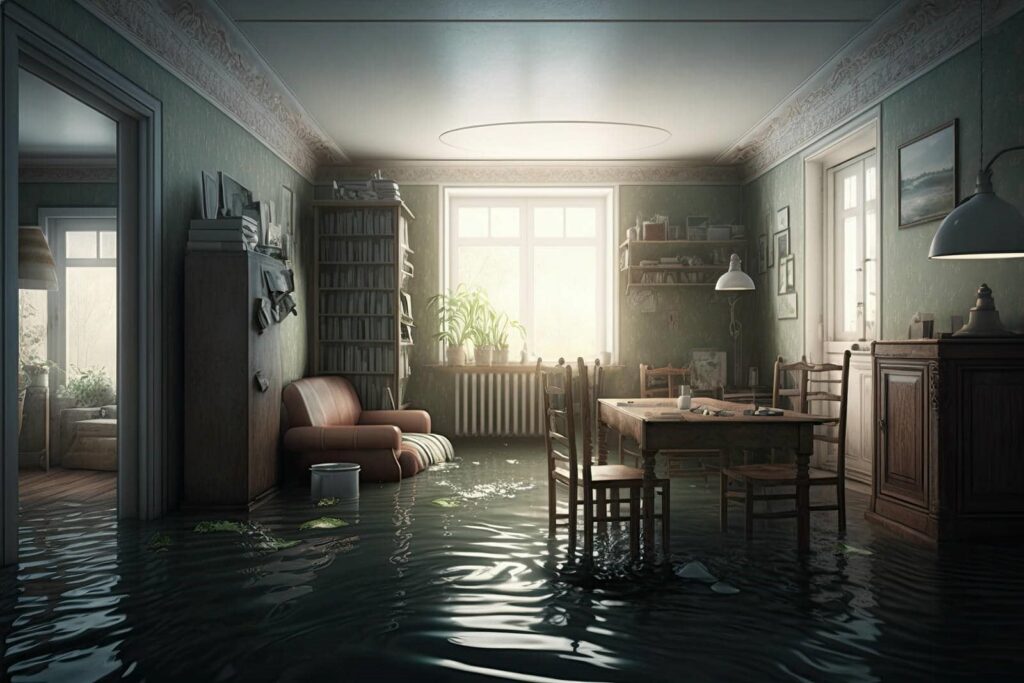
When a sudden storm floods your basement, the aftermath can be overwhelming. You may find yourself unsure of where to start or how to tackle the mess. It’s essential to approach the flood damage cleanup methodically to prevent further damage and health risks. By understanding the best techniques for evaluating damage, removing water, and ensuring proper drying, you can reclaim your space. But what should your first steps be?
Key Takeaways
- Document and assess flood damage thoroughly to communicate effectively with your insurance company.
- Utilize pumps and wet vacuums to remove standing water efficiently before drying.
- Set up fans and dehumidifiers to circulate air and extract moisture from affected areas.
- Wear protective gear and ensure safety by shutting off power before beginning cleanup.
- Remove and discard any items that are unsalvageable to prevent mold growth.
How to Assess Flood Damage Effectively
When floodwaters recede, evaluating the damage quickly and thoroughly is essential to prevent further issues.
Start by documenting every area affected by the flood impact—take photos and notes to create a detailed inventory.
Check for structural damage in your home, including walls, floors, and ceilings. Look for signs of mold or moisture, as these can escalate problems if left unaddressed.
Pay attention to your belongings; some items may be salvageable while others may need to be discarded.
Conducting a thorough damage evaluation not only helps you understand the extent of the repairs needed but also enables you to communicate effectively with your insurance company.
What Safety Precautions Should You Take When Cleaning Up?
As you prepare to tackle flood cleanup, it’s essential to prioritize safety to protect yourself from potential hazards.
First, wear appropriate protective gear, including gloves, boots, and masks, to shield yourself from contaminants and sharp objects. Assess the environment for standing water, which can pose risks, especially if electrical outlets are submerged.
Always practice electrical safety; shut off the power to affected areas before starting work to prevent electric shock. Keep a first-aid kit handy, and if you’re unsure about any aspect of the cleanup, don’t hesitate to reach out to professionals.
Water Removal Techniques for Homeowners
Effective water removal techniques are vital for homeowners facing the aftermath of a flood. Start by evaluating the water level in your home; if it’s significant, consider using pump systems to remove large volumes efficiently.
Submersible pumps work well for deep water, while sump pumps are ideal for smaller areas. Next, employ extraction methods like wet vacuums or specialized water extractors to tackle residual moisture.
This step is imperative, as lingering water can lead to mold and structural damage. Remember to work methodically, focusing on one area at a time to guarantee thoroughness.
How to Dry and Dehumidify Your Home After Flooding
After a flood, drying and dehumidifying your home is essential to prevent further damage and protect your health.
Effective flood restoration relies on proper moisture control. Here are three key steps to help you:
- Use Fans and Dehumidifiers: Set up fans to circulate air and place dehumidifiers in affected areas to extract moisture quickly.
- Open Windows and Doors: Whenever possible, allow fresh air to flow through your home, promoting evaporation and reducing humidity.
- Remove Wet Materials: Take out soaked carpets, furniture, and other items that retain moisture, as they can hinder your drying efforts.
How to Prevent Future Flood Damage
While you can’t control nature, there are proactive steps you can take to greatly reduce the risk of future flood damage in your home.
Installing flood barriers around your property is an effective way to redirect water away from your foundation. Consider elevating your home or key appliances, too, to minimize damage during heavy rainfall.
Additionally, a reliable sump pump can be a lifesaver make sure yours is functioning properly and has a battery backup for emergencies.
Regular maintenance is essential; check gutters and downspouts for clogs, and make certain your landscaping directs water away from your home.
Frequently Asked Questions
How Long Should I Wait Before Starting Flood Cleanup?
You should wait at least 24 to 48 hours before starting flood cleanup. This allows time for flood recovery timing and guarantees you prepare properly. Assess safety, gather supplies, and plan your cleanup steps thoughtfully.
Can I Use Regular Household Cleaners for Flood Damage?
You can’t rely solely on regular household cleaners for flood damage. They often lack the necessary disinfecting power. Instead, consider specialized products that effectively eliminate mold and bacteria, ensuring your home truly feels safe and clean.
What Types of Insurance Cover Flood Damage Cleanup?
Flood insurance types include standard policies, excess coverage, and federal programs, each offering varied coverage limits. Understanding your options guarantees you’re protected, alleviating stress during recovery and fostering a sense of community support during tough times.
Should I Hire Professionals for Flood Cleanup or Do It Myself?
You should consider hiring professionals for flood cleanup if the damage is extensive. While DIY cleanup saves money, professional services guarantee safety and thoroughness, providing peace of mind during a challenging time. Your well-being matters.
How Do I Handle Mold Growth After Flood Damage?
Imagine a garden of mold sprouting in your home’s corners. To tackle this, you’ll need mold prevention strategies like thorough drying, using DIY solutions like vinegar or baking soda, and maintaining ventilation to keep your space safe.
Wrap-Up
In the aftermath of a flood, every action you take can mean the difference between a home restored and one forever marked by damage. By following these effective cleanup methods, you’re not just repairing your space; you’re reclaiming your sanctuary. Remember, preparation is key to resilience. With careful assessment and proactive measures, you can safeguard your home against future floods, ensuring it remains a safe haven for you and your loved ones. Don’t wait act now!